
Why a Standard Solar System Goes Dark During an Outage
Many homeowners are surprised to discover that a grid-tied solar installation automatically shuts down during a power outage. This is a deliberate safety feature: anti-islanding protection prevents the system from feeding electricity back into a grid where utility workers may be operating. A hybrid inverter solves this by switching to island mode — it disconnects from the grid and continues to power a designated set of circuits using the connected battery and, if the sun is shining, the solar panels directly.
The speed of this switchover matters more than many buyers realise. Most hybrid inverters offer an EPS (Emergency Power Supply) mode that transitions within tens of milliseconds, which is generally fast enough for most household electronics. Premium units can offer near-seamless UPS-grade switching, which is worth considering if you run medical equipment or sensitive server hardware at home.
What Will — and Won't — Run on Backup Power
Backup power in a hybrid inverter system is typically not whole-home coverage. Instead, an electrician creates a dedicated backup circuit during installation — a separate set of circuits covering the most critical loads: lighting, the refrigerator, a few key sockets, the internet router, and perhaps the heating controller. High-draw appliances like electric ovens, washing machines, air conditioners, and EV chargers are usually excluded because they would drain the battery within hours or even minutes.
Heat pumps deserve special attention. Their startup current draw can reach 3–6 kW, which may exceed the inverter's backup output rating. Electric water heaters are also typically left off the backup circuit: a well-insulated tank retains heat for many hours, making it unnecessary to protect. The practical question is always the combination of inverter backup capacity (in kVA) and battery size (in kWh) relative to your actual priority loads.
Sizing the System: Two Numbers That Matter
Two figures define what your backup system can do. First, the inverter's backup output power — often lower in island mode than in grid-connected mode — determines how many watts can run simultaneously. Second, usable battery capacity in kWh determines how long those loads can run. A 10 kWh battery with an average draw of 500 W gives roughly 15–20 hours of theoretical runtime, though real-world efficiency losses, temperature effects, and peak loads reduce this. Matching these numbers to your realistic priority load list is the core of good system design.
Five Practical Considerations Before You Buy
**1. Dedicated backup circuit:** Backup power requires a physical rewiring of your distribution board to separate priority circuits. This is an electrical installation job, not just an inverter swap. **2. Switchover time:** Verify the EPS transition speed if you rely on equipment that cannot tolerate even brief interruptions. **3. Inverter–battery compatibility:** Always use manufacturer-approved battery pairings. Mismatched systems can void warranties and create safety risks. **4. Battery chemistry:** LFP (lithium iron phosphate) batteries are generally considered safer for indoor installation than NMC chemistry; either way, ventilation and temperature management matter. **5. Local regulations:** Installation requirements, grid connection rules, and any available incentives vary by country and utility. Always consult a certified installer familiar with your local regulations.
Solar Panels Make Backup Better
When solar panels are part of the system, daytime outages become significantly easier to manage. The panels can simultaneously charge the battery and power the backup circuit directly, extending runtime far beyond what the battery alone could provide. This synergy is especially valuable during summer storms, which are often the cause of outages in Central Europe. At night or under heavy cloud cover, the battery carries the load alone — reinforcing why accurate capacity planning is so important.
Beyond emergencies, the hybrid inverter with storage increases daily self-consumption: surplus solar energy charges the battery instead of being exported to the grid at low feed-in rates. This economic rationale is increasingly compelling across Europe as feed-in tariffs have declined and retail electricity prices have risen. A well-sized system can meaningfully reduce annual electricity bills while providing resilience against outages.
When Does a Hybrid Inverter with Backup Make Sense?
The combination makes the most financial and practical sense when you already have — or are planning — a solar system, when grid reliability in your area is moderate or poor, or when you have loads that genuinely need protection. It makes less sense as a pure backup solution without solar, where a conventional UPS or generator may be cheaper per unit of protection. Always factor in the full cost: inverter, battery, installation, and any electrical panel modifications. For guidance on planning a solar-plus-storage system, consulting a qualified energy installer is the most reliable starting point.
Related articles

How Much Do Solar Panels Produce in Winter? Realistic Numbers
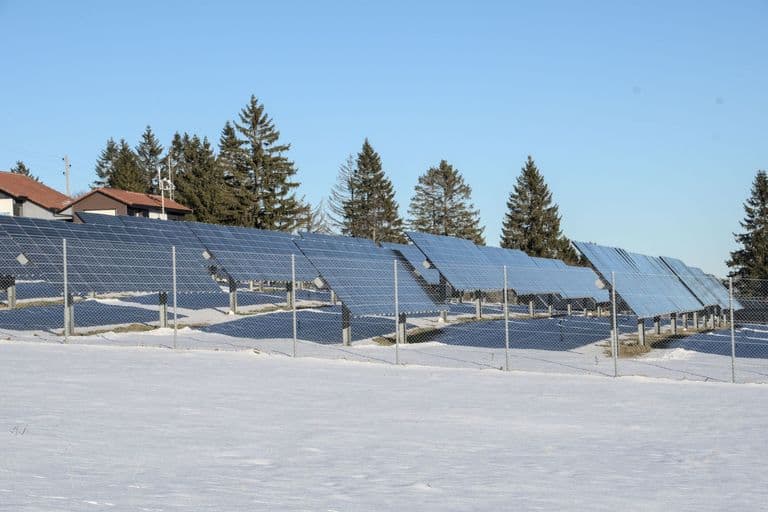
Winter output from a rooftop solar system is a fraction of the summer peak: shorter days, a low sun, cloud and snow mean that the four darkest months together typically deliver only around a tenth to a fifth of the annual yield, depending on latitude. This guide sets realistic month-by-month expectations, explains what winter means for self-consumption and your bill, shows how a battery and smart scheduling help, and why you should never size a system for December.
Heat Pump, Solar & H Tariff: How to Plan Together
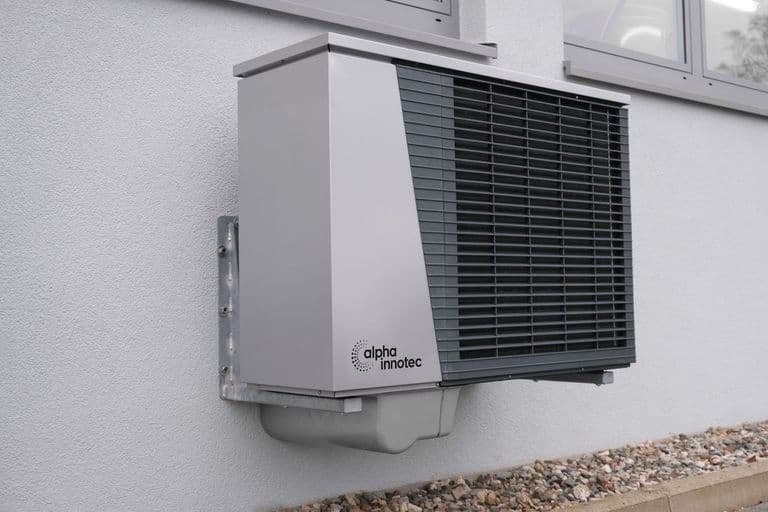
Combining a heat pump, rooftop solar panels and a preferential electricity tariff can significantly cut household energy bills — but only if you plan all three as one integrated system. This guide walks through the decision logic, common mistakes and key considerations for homeowners.
Solar PV in the Arctic: Svalbard's surprising potential
Researchers at Norway's SINTEF have found that solar PV in Longyearbyen, one of the world's northernmost inhabited settlements, can achieve capacity factors comparable to central European cities during summer. The study shows that PV, combined with wind and storage, could play a pivotal role in the Arctic energy transition.
Solar + Heat Pump: When Do They Really Cut Your Bill?
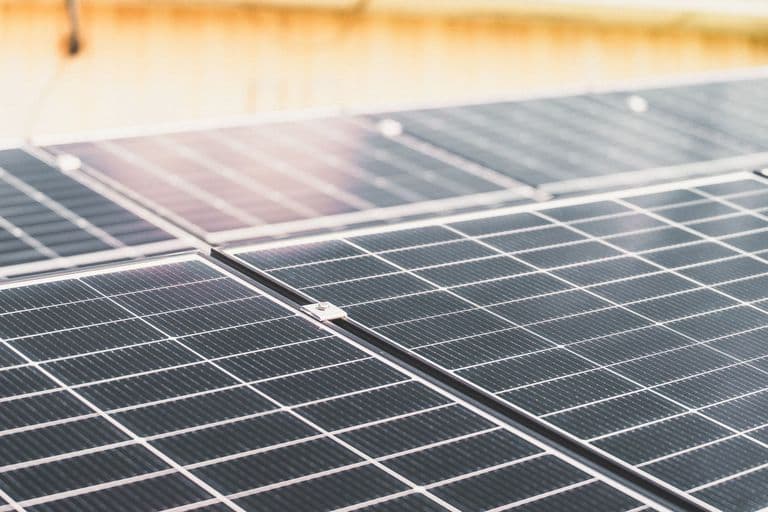
Combining rooftop solar with an air-source heat pump seems like a perfect match, but real savings depend on how well their operating hours overlap. This guide explains the key decision factors for homeowners considering both systems.
Comments
0 commentsBe the first to comment.