
Japanese automaker Honda has joined the investor roster of UK startup Nexeon, which specializes in silicon-based anode materials for lithium-ion batteries. The exact size of the investment has not been disclosed, but both parties confirmed it is intended to support Nexeon's growth and the continued development of its silicon anode technology.
Why silicon anodes matter for electric vehicles
Conventional lithium-ion cells rely on graphite anodes, but silicon can theoretically store up to ten times more lithium ions — translating into higher energy density, longer range, and faster charging for electric vehicles. The challenge has always been silicon's tendency to expand and contract during charge cycles, causing degradation. Companies like Nexeon are engineering materials that address this instability at scale.
For Honda, this investment fits into a broader push to secure its EV supply chain ahead of ambitious electrification targets for the late 2020s and early 2030s. By backing materials-level innovation, the company aims to influence the performance of its future battery cells before they even reach the pack assembly stage.
What this means for the broader EV market
Investments like this one reflect a wider industry trend: automakers are increasingly moving upstream, funding battery material startups rather than waiting for commodity suppliers. If silicon anode technology matures commercially — a transition Nexeon and its backers are actively working toward — EV drivers could see meaningful range improvements and shorter charging times within this decade.
Source: Honda investiert in Batteriematerialhersteller Nexeon - Electrive (DE)· Based on source, with AI-assisted rewriting.
Related articles

How Much Do Solar Panels Produce in Winter? Realistic Numbers
Winter output from a rooftop solar system is a fraction of the summer peak: shorter days, a low sun, cloud and snow mean that the four darkest months together typically deliver only around a tenth to a fifth of the annual yield, depending on latitude. This guide sets realistic month-by-month expectations, explains what winter means for self-consumption and your bill, shows how a battery and smart scheduling help, and why you should never size a system for December.
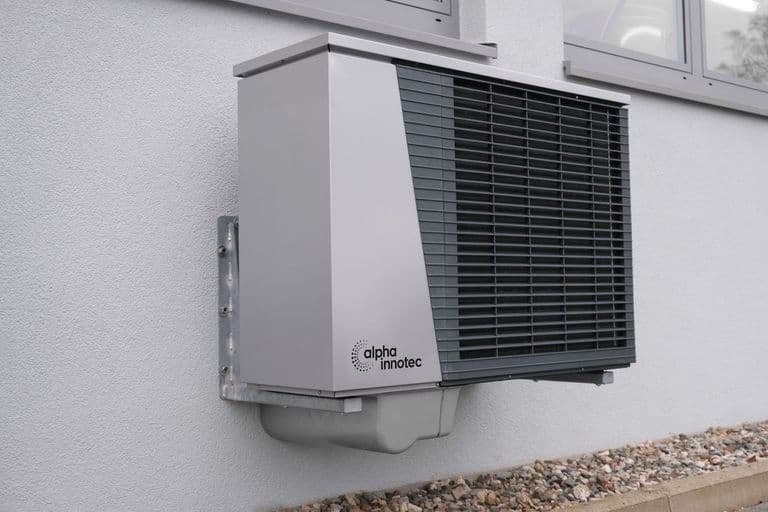
Heat Pump, Solar & H Tariff: How to Plan Together
Combining a heat pump, rooftop solar panels and a preferential electricity tariff can significantly cut household energy bills — but only if you plan all three as one integrated system. This guide walks through the decision logic, common mistakes and key considerations for homeowners.
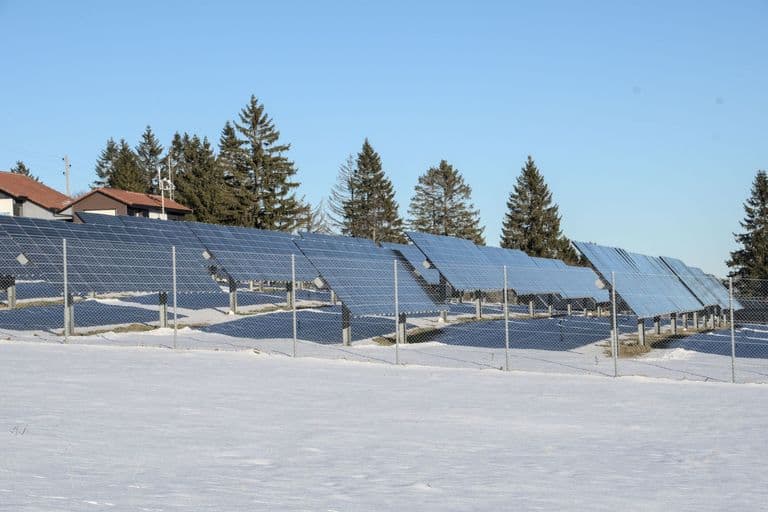
Solar PV in the Arctic: Svalbard's surprising potential
Researchers at Norway's SINTEF have found that solar PV in Longyearbyen, one of the world's northernmost inhabited settlements, can achieve capacity factors comparable to central European cities during summer. The study shows that PV, combined with wind and storage, could play a pivotal role in the Arctic energy transition.
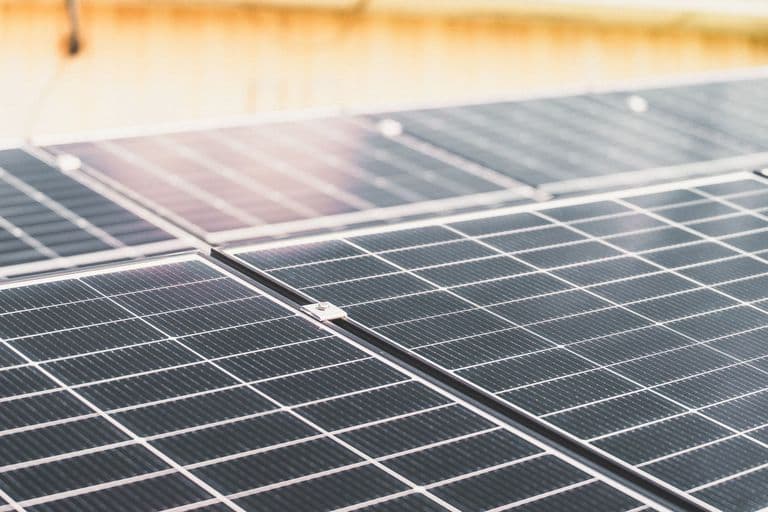
Solar + Heat Pump: When Do They Really Cut Your Bill?
Combining rooftop solar with an air-source heat pump seems like a perfect match, but real savings depend on how well their operating hours overlap. This guide explains the key decision factors for homeowners considering both systems.
Comments
0 commentsBe the first to comment.