
California-based startup Humble Hauler has unveiled what could be one of the most disruptive concepts in electric freight: a fully driverless, cab-less, battery-electric platform designed specifically for containerized cargo. By removing the traditional truck cab entirely, the company aims to dramatically cut costs and improve efficiency in freight logistics.
The core idea challenges a long-standing assumption in the trucking industry. If an autonomous vehicle is essentially a mobile computer moving goods from point A to point B, why carry the weight, cost, and complexity of a full driver's cab? Humble Hauler's answer is: you don't have to. The platform retains only what's necessary — the battery pack, drivetrain, and autonomous control systems.
The concept is particularly well-suited for closed or semi-closed environments such as port terminals, rail yards, and inter-warehouse corridors, where autonomous systems can operate with high reliability and fixed routes. These use cases are already attracting significant investment across the EU and the US as logistics operators look to decarbonize and cut labor costs simultaneously.
While full commercial deployment details — including range, payload capacity, and pricing — have not yet been disclosed, the Humble Hauler platform represents a significant step in rethinking electric commercial transport. If successful, it could influence how European and global freight networks are designed in the coming decade.
Source: Humble Hauler autonomous trailer takes the truck out of trucking - Electrek· Based on source, with AI-assisted rewriting.
Related articles
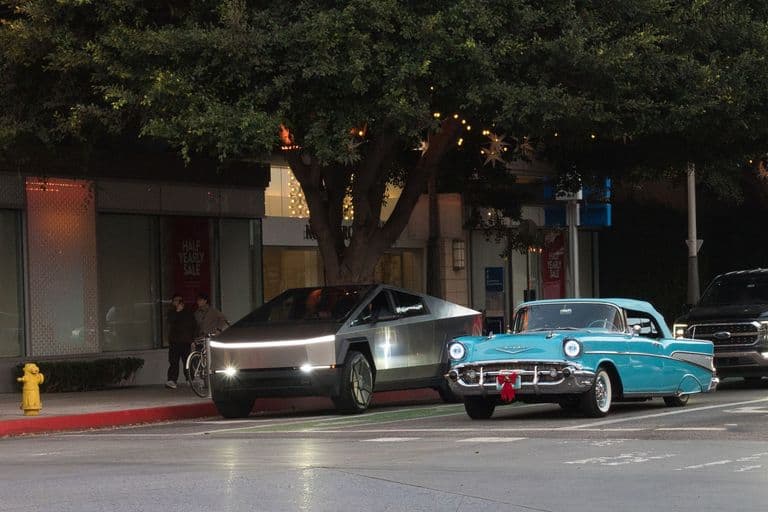
Tesla to wind down Cybertruck production in 2027 for Cybercab
Elon Musk announced on November 6, 2026 that Tesla will wind down Cybertruck production at its Texas Gigafactory around mid-2027, saying the move will free up room for expanded Cybercab production. Sales of the electric pickup have fallen far short of the planned 250,000 a year, while the Cybercab, a robotaxi with no steering wheel or pedals, has been carrying passengers in Austin since September as US safety regulator NHTSA reviews its certification.
GM bets on sodium-ion storage and V2G at home
At its June 2026 Empower event in San Francisco, GM announced US-developed sodium-ion grid-scale battery storage and software-enabled V2G for existing EV owners — two moves that could reshape how homes and grids store renewable energy.
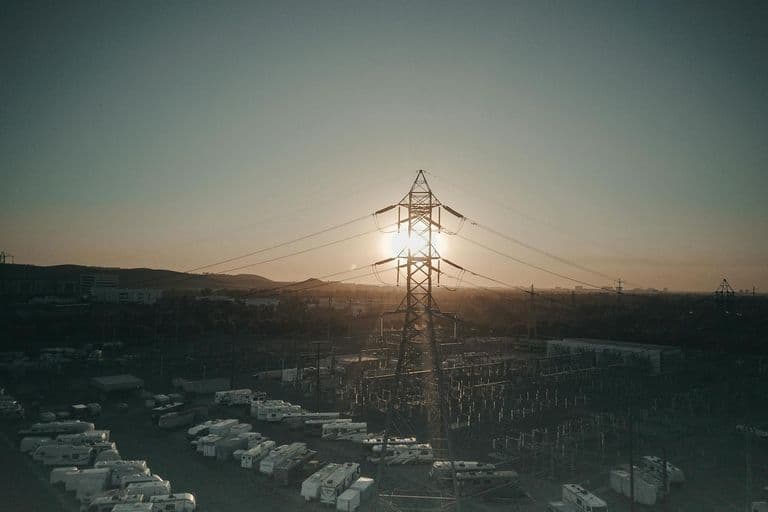
150 Power Plants: The Hidden Grid Cost of Weakening EU EV Targets
Scaling back the EU's electric vehicle targets could force Europe to build the equivalent of 150 new power plants just to keep the electricity grid balanced. EVs aren't just cars — as mobile battery storage, they are a critical and low-cost tool for integrating solar and wind energy into the grid.

Electric Commuter Bikes: What to Look for in an E-Bike
Electric bikes are becoming a serious option for daily urban commuting across Europe. The right e-bike offers programmable assist levels, a reliable battery, and enough versatility to handle varied terrain.
Comments
0 commentsBe the first to comment.