
For homeowners in Hungary considering a rooftop solar installation, one of the first and most important questions is: how large does the system actually need to be? There is no universal answer — the right size depends on how much electricity the household consumes each year, how well the roof faces the sun, and whether the family plans to add energy storage, a heat pump, or an electric vehicle charger in the future.
Starting Point: Annual Electricity Consumption
In Hungary's climate and latitude, a well-oriented 1 kWp (kilowatt-peak) solar system typically generates around 900–1,100 kWh per year. South-facing roofs with a pitch of roughly 30–35 degrees perform best; east- or west-facing roofs will produce somewhat less. Shading from chimneys, trees, or neighbouring buildings can significantly reduce output and should always be factored into planning.
How Many Panels Fit on the Roof?
A common sizing rule of thumb: the system's annual generation should cover 80–110% of the household's annual consumption. Generating significantly more than the home uses is less efficient under current Hungarian regulations, which limit the financial benefit of excess electricity fed back into the grid — though exact rules change, so always verify with your local grid operator or the Hungarian Energy and Public Utility Regulatory Authority (MEKH).
The Role of Battery Storage
If a heat pump or EV charger is planned, the solar system must be sized accordingly. A heat pump for an average Hungarian home may add 3,000–6,000 kWh to annual consumption; an electric vehicle typically adds 1,500–3,000 kWh depending on driving habits. Failing to account for these loads upfront often results in an undersized system that does not deliver the expected savings.
What to Check Before Signing Any Contract
Always request at least two or three competitive quotes, including a detailed production simulation for the specific roof. Check the installer's references, the panel and inverter warranty terms, and enquire about any available state support schemes, which can change periodically in Hungary. A well-sized, quality system installed by a reputable company typically pays back its investment in around 6–10 years under current conditions, though this varies considerably by household.
Related articles

How Much Do Solar Panels Produce in Winter? Realistic Numbers
Winter output from a rooftop solar system is a fraction of the summer peak: shorter days, a low sun, cloud and snow mean that the four darkest months together typically deliver only around a tenth to a fifth of the annual yield, depending on latitude. This guide sets realistic month-by-month expectations, explains what winter means for self-consumption and your bill, shows how a battery and smart scheduling help, and why you should never size a system for December.

Pre-Season Heat Pump Checklist: What to Check in September
A heat pump does most of its work in the coldest months, but how much electricity it burns doing so is largely decided in September. Here is what homeowners can check themselves, from the outdoor unit to the heating curve, what to leave to a qualified engineer, and how to get the most out of rooftop solar in the autumn months.
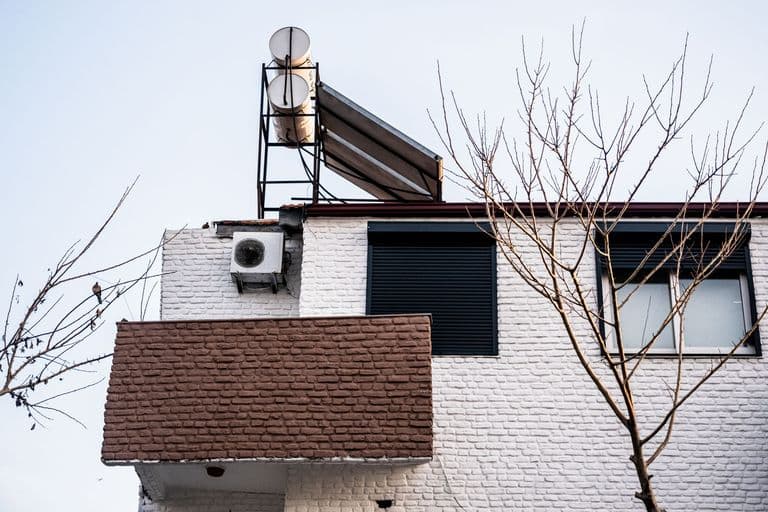
Air conditioning on solar power: what summer cooling really costs in 2026
In a heatwave, air conditioning becomes one of the biggest loads in a household — exactly when solar panels produce the most. We look at what cooling costs with and without solar, how much extra capacity you need, and what to watch for when sizing a system.
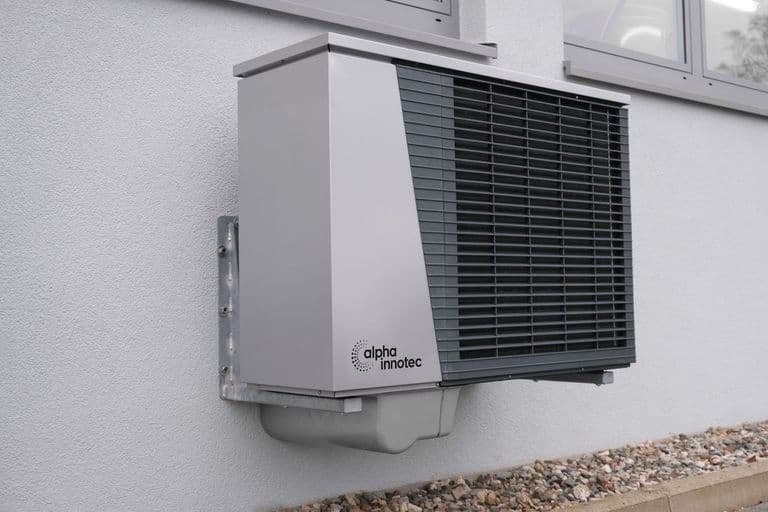
Heat Pump, Solar & H Tariff: How to Plan Together
Combining a heat pump, rooftop solar panels and a preferential electricity tariff can significantly cut household energy bills — but only if you plan all three as one integrated system. This guide walks through the decision logic, common mistakes and key considerations for homeowners.
Comments
0 commentsBe the first to comment.