
Mexico's energy regulator CRE confirmed that the country reached 5,164.98 MW of distributed solar power capacity by the end of 2025. The figure comes from 600,368 individual small-scale installations, each below the 0.7 MW threshold. When all sub-0.7 MW systems are counted together, total capacity reaches 5,189.71 MW across 600,651 systems — a clear sign of accelerating rooftop and small-site solar adoption.
Why Distributed Solar Matters for Grids
Unlike utility-scale solar farms, distributed generation puts production close to the point of consumption. This reduces transmission losses, supports self-consumption, and — when paired with battery storage — can ease peak-load pressure on the grid. Mexico's milestone is a real-world demonstration that aggregated small systems can deliver gigawatt-scale capacity without a single large plant.
Lessons for European Markets
For EU households and policymakers, Mexico's trajectory offers a useful reference point. Countries like Germany, Spain, and Hungary are all expanding net-metering and self-consumption frameworks that incentivize exactly this kind of distributed buildout. The key enablers tend to be regulatory clarity, accessible grid connection, and falling hardware costs — all factors currently in flux across Europe.
The trend also underlines the growing link between rooftop solar and battery storage: as more homes generate their own electricity, the economic case for home storage systems strengthens. Combined solar-plus-storage setups are increasingly the default choice for new installations across Latin America and Europe alike.
Source: Mexico Reaches 5 Gigawatts of Distributed Solar Power - CleanTechnica· Based on source, with AI-assisted rewriting.
Related articles
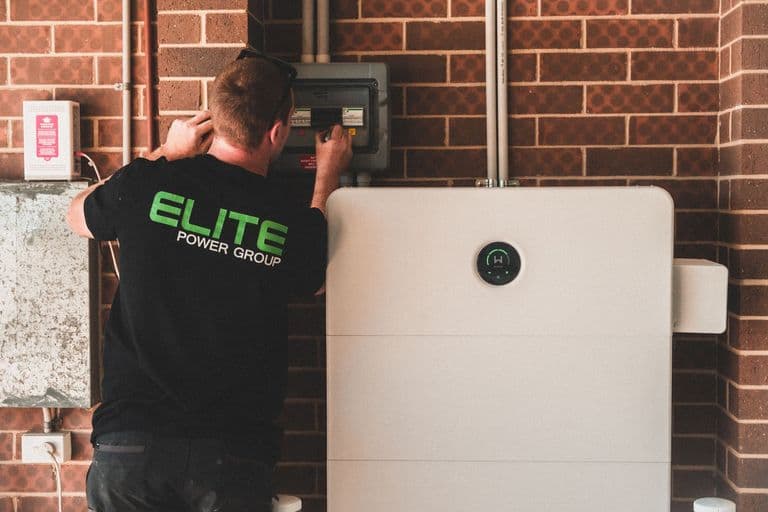
Hungary's OETP: choosing an installer, contract and guarantee
In the verification phase of Hungary's home energy storage subsidy programme, the Otthoni Energiatároló Program (OETP), successful applicants can only proceed with a contractor holding an approved registration and a works contract generated from the application system, and the verification application is due by 16h on 26 February 2027. This explainer sets out what the contractor and bank guarantee guides published by the Nemzeti Energetikai Ügynökség (NEÜ) on 27 October 2026 say: who gives a guarantee to whom for the advance payment, what to check in the quote and the contract, and which red flags to watch for.

Hungary 2027: Wekerle+ loans, renovation aid and home savings
Hungary's Wekerle+ home loan launched on 28 October 2026, and 2027 will bring a subsidised energy renovation loan for family houses and the return of state support for home savings accounts. This explainer sets out what each scheme is for, how a renovation can be financed from grant, loan, own funds and savings, and what to watch out for when borrowing.
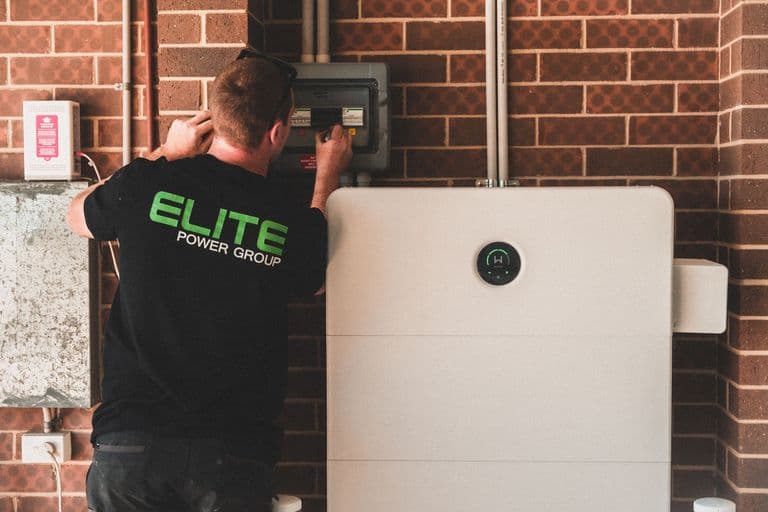
Hungary's OETP: phase 2 on hold, 15,000 more may get support
The second phase of Hungary's Otthoni Energiatároló Program (OETP), a subsidy scheme for home battery storage, was suspended on 16 March 2026, before it had even opened, and the suspension was still in force at the end of October, when this article was written. Of the roughly 132,000 applications in the first phase, about 42,000 won, and in September it was announced that around 15,000 more applicants could receive support. We explain what this means for those waiting for the supplementary round and for those left out, what is known about the announced new calls, and what to watch out for if you are considering a self-financed battery.
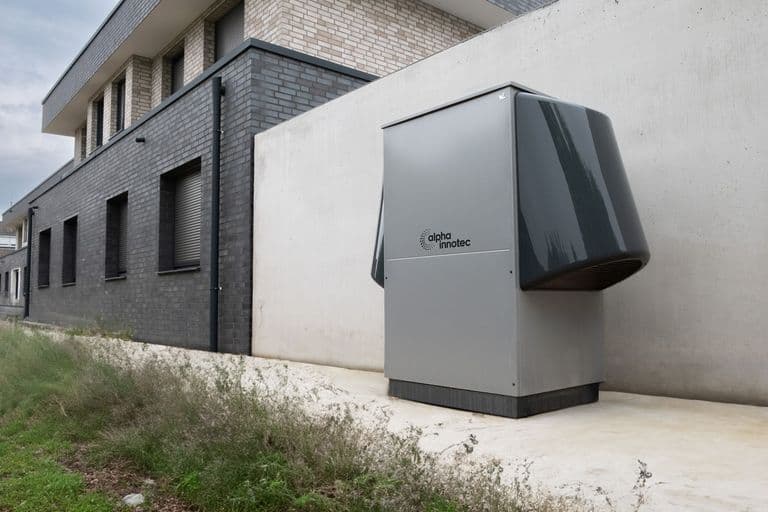
Wekerle Plusz 2027: insulation, heat pump or solar first?
Under the new Wekerle Plusz renovation scheme in Hungary, the non-repayable part of the support requires a primary energy saving of at least 30 percent, verified by comparing the energy performance certificates issued before and after the works, so the package is best planned for the whole building. We outline the usual professional sequence from insulation through the heat pump to solar panels, the still unclear cap on solar, and what the final call for applications has yet to clarify.
Comments
0 commentsBe the first to comment.