
Breaking into the e-bike market as a new brand is never easy, but Monarc is attempting exactly that with its debut model, the Marker. This fat-tire electric bike combines a powerful motor with a dual-battery setup and a wide range of rider customization options — a combination that is increasingly relevant as consumers look for EVs that pair well with home energy systems.
Why dual batteries matter beyond the bike
Dual-battery architecture is more than a marketing headline. For riders who charge their e-bike from a home solar installation or a battery storage system, higher onboard capacity means fewer charging cycles and better alignment with surplus solar production windows. The Monarc Marker's approach mirrors trends already seen in electric scooters and light EVs: maximize range by doubling storage rather than relying on faster charging infrastructure.
The fat-tire design promises stability across a variety of surfaces, and the brand emphasizes rider-adjustable settings to suit different use cases — commuting, off-road trails, or mixed urban environments. While detailed technical specifications and independent range testing are not yet available, first-ride impressions suggest the Marker performs well above its price point.
Who should pay attention?
For energy-conscious consumers — particularly those already investing in rooftop solar or home battery storage — the Monarc Marker represents an interesting case study in how e-bike battery design is catching up with broader EV trends. Whether the dual-battery system proves durable and efficient over longer cycles remains to be seen, but the concept is sound and the timing is good as two-wheel electric mobility continues to grow across Europe and North America.
Source: Monarc Marker First Ride Review | Built to Punch Above Its Price - Electric Bike Report· Based on source, with AI-assisted rewriting.
Related articles
GM bets on sodium-ion storage and V2G at home
At its June 2026 Empower event in San Francisco, GM announced US-developed sodium-ion grid-scale battery storage and software-enabled V2G for existing EV owners — two moves that could reshape how homes and grids store renewable energy.
150 Power Plants: The Hidden Grid Cost of Weakening EU EV Targets
Scaling back the EU's electric vehicle targets could force Europe to build the equivalent of 150 new power plants just to keep the electricity grid balanced. EVs aren't just cars — as mobile battery storage, they are a critical and low-cost tool for integrating solar and wind energy into the grid.
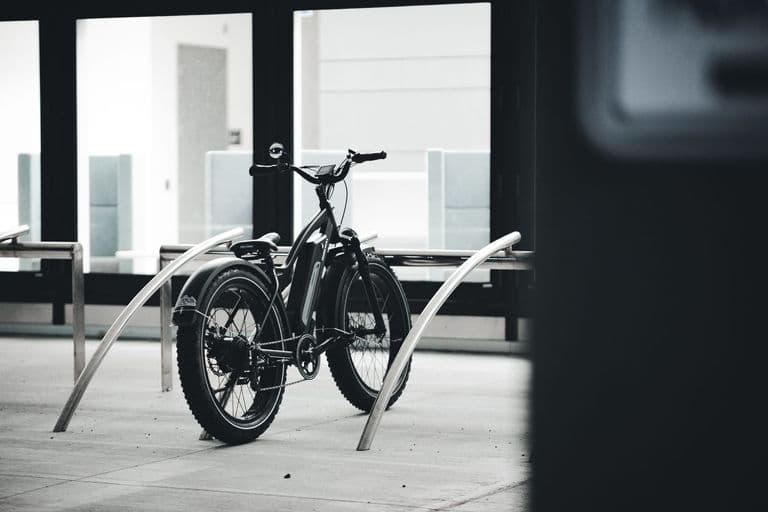
Electric Commuter Bikes: What to Look for in an E-Bike
Electric bikes are becoming a serious option for daily urban commuting across Europe. The right e-bike offers programmable assist levels, a reliable battery, and enough versatility to handle varied terrain.

Battery storage booms, but Australia's grid edge lags behind
Australia's Cheaper Home Batteries Program has added 10.7 GWh of distributed storage to the grid, while EV sales surge to one in six new cars. Yet the country's biggest challenge is no longer on the supply side — it's the low-voltage distribution network that can't keep pace with simultaneous demand from EVs, home batteries and data centres.
Comments
0 commentsBe the first to comment.