
Residential solar PV has become one of the most common home-energy investments in Hungary over the past several years. Yet many homeowners make the mistake of comparing only the bottom-line figure on competing quotes, overlooking technology quality, warranty conditions and the long-term performance track record of the installer.
What Does a Solar System Cost in Hungary?
A reliable quote should specify system peak power (kWp), panel and inverter manufacturer and model, projected annual generation (kWh/year), all warranty periods (product warranty, performance warranty, workmanship warranty), and the process for grid connection approval. Missing any of these elements is a red flag worth addressing before signing anything.
String, Micro or Hybrid Inverter?
Inverter brand reliability matters as much as panel brand. A well-supported brand with local service partners means shorter downtime if a fault occurs – and lost generation days translate directly into slower payback.
Realistic Payback Expectations
Homes where occupants are away during peak solar hours naturally export more and self-consume less. A basic consumption-profile analysis – which any competent installer should offer as part of the quote process – can reveal whether a battery would meaningfully improve economics or whether shifting dishwasher and washing machine cycles to midday is sufficient.
Choosing the Right Installer
For homeowners who want to compare multiple verified installer quotes in one place, the jonapelem.hu platform offers a structured way to do this for the Hungarian market – fill in a short questionnaire about your home and usage, and receive offers from vetted partners. It is a useful starting point before committing to any single provider.
Related articles
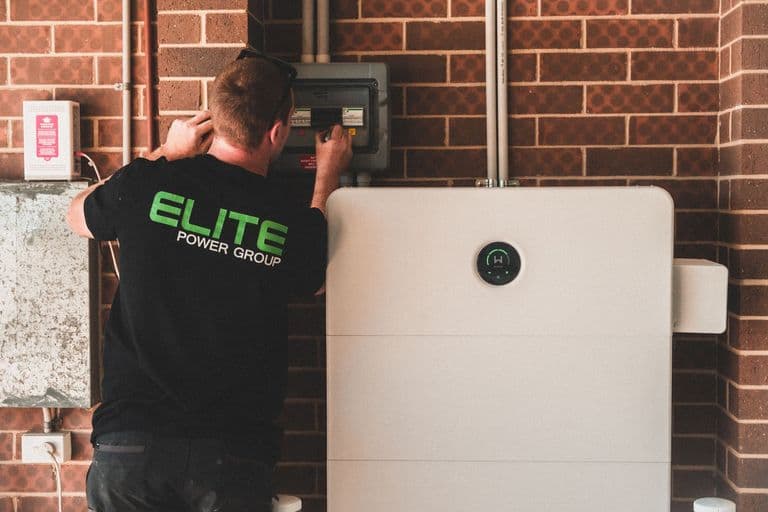
Hungary's OETP: choosing an installer, contract and guarantee
In the verification phase of Hungary's home energy storage subsidy programme, the Otthoni Energiatároló Program (OETP), successful applicants can only proceed with a contractor holding an approved registration and a works contract generated from the application system, and the verification application is due by 16h on 26 February 2027. This explainer sets out what the contractor and bank guarantee guides published by the Nemzeti Energetikai Ügynökség (NEÜ) on 27 October 2026 say: who gives a guarantee to whom for the advance payment, what to check in the quote and the contract, and which red flags to watch for.

Hungary 2027: Wekerle+ loans, renovation aid and home savings
Hungary's Wekerle+ home loan launched on 28 October 2026, and 2027 will bring a subsidised energy renovation loan for family houses and the return of state support for home savings accounts. This explainer sets out what each scheme is for, how a renovation can be financed from grant, loan, own funds and savings, and what to watch out for when borrowing.
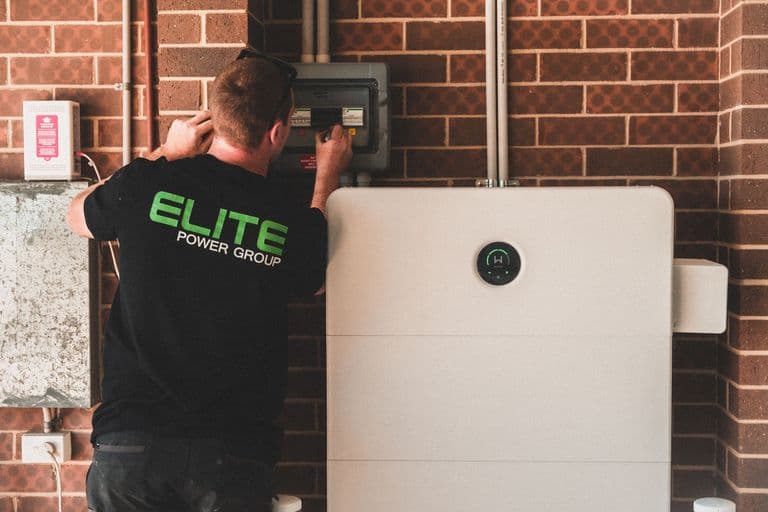
Hungary's OETP: phase 2 on hold, 15,000 more may get support
The second phase of Hungary's Otthoni Energiatároló Program (OETP), a subsidy scheme for home battery storage, was suspended on 16 March 2026, before it had even opened, and the suspension was still in force at the end of October, when this article was written. Of the roughly 132,000 applications in the first phase, about 42,000 won, and in September it was announced that around 15,000 more applicants could receive support. We explain what this means for those waiting for the supplementary round and for those left out, what is known about the announced new calls, and what to watch out for if you are considering a self-financed battery.
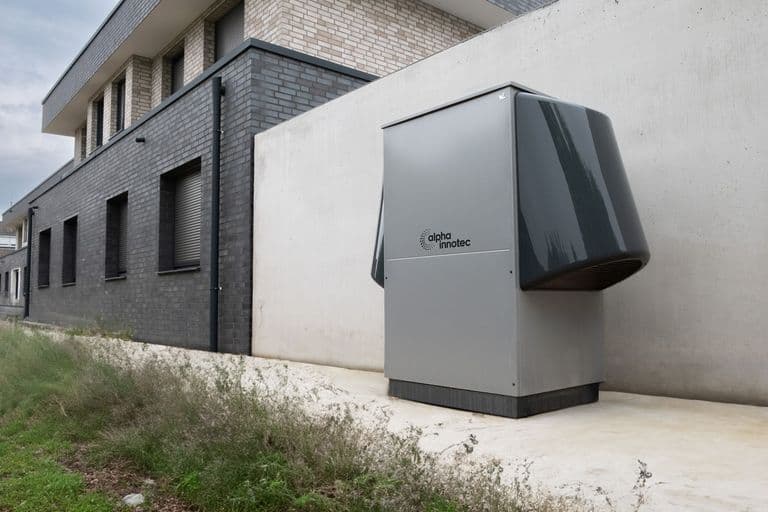
Wekerle Plusz 2027: insulation, heat pump or solar first?
Under the new Wekerle Plusz renovation scheme in Hungary, the non-repayable part of the support requires a primary energy saving of at least 30 percent, verified by comparing the energy performance certificates issued before and after the works, so the package is best planned for the whole building. We outline the usual professional sequence from insulation through the heat pump to solar panels, the still unclear cap on solar, and what the final call for applications has yet to clarify.
Comments
0 commentsBe the first to comment.