
Norway's new car market has reached a milestone that seemed unthinkable just a decade ago: in May 2026, electric vehicles accounted for 97.8% of all new passenger car registrations. Of the 15,560 new cars sold, 15,210 were battery-electric (BEV). For the year so far, the cumulative EV share stands at exactly 98%.
How did Norway get here?
Norway's near-total electrification did not happen overnight. Decades of consistent policy — including VAT exemptions on EV purchases, toll road discounts, and heavy investment in public charging infrastructure — gradually shifted consumer behavior. Today the internal combustion engine is effectively a niche product in the Norwegian new car market. Major brands like Tesla, Volkswagen, and BYD dominate sales, and the charging network is dense enough that range anxiety is largely a non-issue.
What this means for the rest of Europe
For the EU and countries still debating the 2035 combustion engine ban, Norway's data is a powerful real-world proof of concept. Critics who argue that 100% electrification is unrealistic are directly contradicted by these numbers. The key lesson is that policy consistency over time — rather than any single incentive — is what drives market transformation at this scale.
Other European markets, including Germany, Spain, and Hungary, still have EV shares in the single or low double digits. Norway's trajectory suggests that once EV penetration crosses a certain threshold, the transition becomes self-reinforcing: more chargers attract more buyers, more buyers attract more investment, and the old technology simply fades out.
Source: Konstant 98% Elektro-Quote: Norwegens Neuwagenmarkt stromert - Electrive (DE)· Based on source, with AI-assisted rewriting.
Related articles
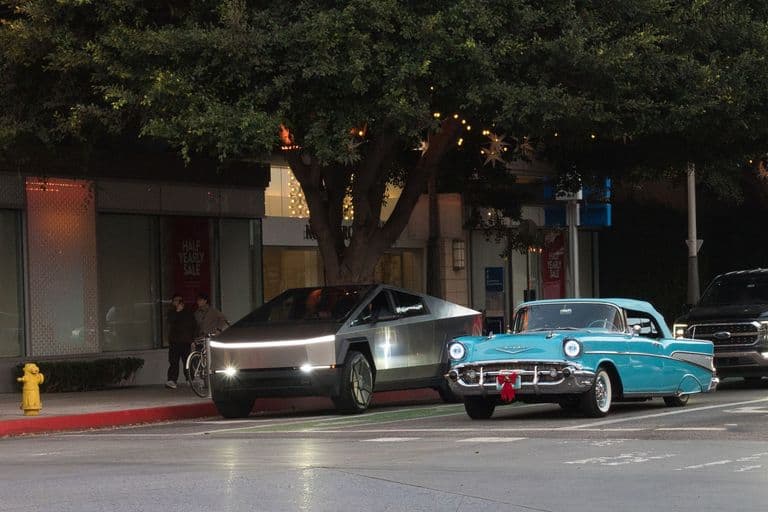
Tesla to wind down Cybertruck production in 2027 for Cybercab
Elon Musk announced on November 6, 2026 that Tesla will wind down Cybertruck production at its Texas Gigafactory around mid-2027, saying the move will free up room for expanded Cybercab production. Sales of the electric pickup have fallen far short of the planned 250,000 a year, while the Cybercab, a robotaxi with no steering wheel or pedals, has been carrying passengers in Austin since September as US safety regulator NHTSA reviews its certification.
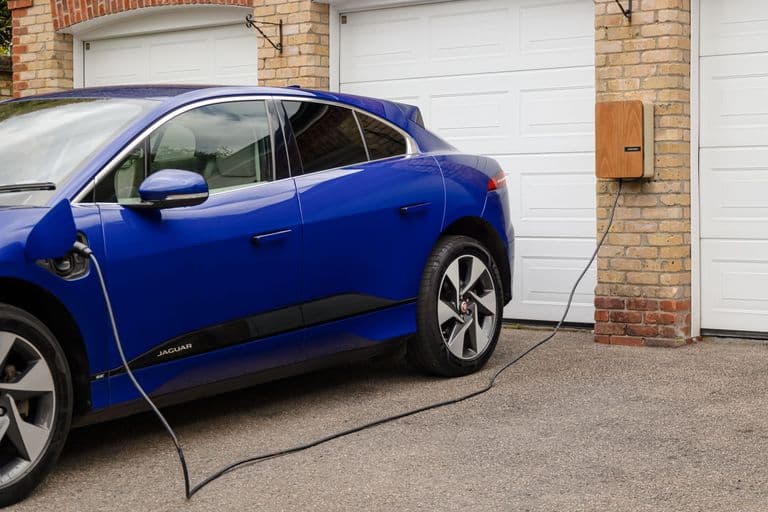
EV in Winter: Range Loss, Home Charging and Preheating
Cold weather can noticeably shrink an electric car's range, as sluggish battery chemistry and cabin heating both draw on the same pack. Preconditioning while plugged in, gentle overnight AC charging and smart timing in a solar-equipped home recover much of that loss. Here is what to expect and how to fit your EV into your home energy setup.
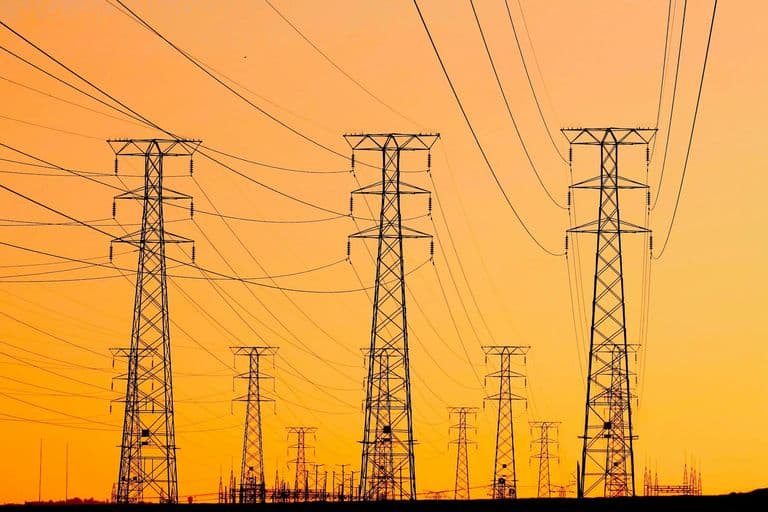
Dutch grid jams force homeowners to delay heat pumps and EV chargers
Thousands of Dutch homeowners are being told to put their heat pump installations and EV charging plans on hold as electricity grid congestion reaches critical levels. The Dutch case is a warning signal for the rest of Europe about the limits of aging grid infrastructure.
GM bets on sodium-ion storage and V2G at home
At its June 2026 Empower event in San Francisco, GM announced US-developed sodium-ion grid-scale battery storage and software-enabled V2G for existing EV owners — two moves that could reshape how homes and grids store renewable energy.
Comments
0 commentsBe the first to comment.