
The New York City Housing Authority (NYCHA) manages one of the largest public housing portfolios in the United States, home to hundreds of thousands of low-income residents. In recent years, the authority has committed to replacing fossil-fuel heating systems and window air conditioning units with modern electric heat pumps — a move driven by both climate commitments and long-term cost savings on energy bills.
Why Heat Pumps in Social Housing Matter
Retrofitting large, aging residential blocks with heat pumps is technically complex and logistically demanding. Unlike new construction, existing buildings often require custom engineering solutions, tenant coordination, and phased rollouts. NYCHA's experience is being closely watched by housing advocates and city planners globally as a test case for whether deep green retrofits are feasible in dense urban, publicly-owned housing stock.
Broader Implications for EU and Global Housing Policy
Across Europe, the recast Energy Performance of Buildings Directive (EPBD) is pushing member states to upgrade their social housing stock by 2030. Cities from Vienna to Amsterdam are grappling with the same challenge NYCHA faces: how to electrify heating in older, multi-family buildings without displacing residents or breaking public budgets. Heat pumps are increasingly seen as the central technology for achieving this, but financing mechanisms, grid capacity, and skilled labor availability remain critical bottlenecks.
The NYCHA case reinforces a key message for policymakers: decarbonization and affordable housing goals are not in conflict. When backed by adequate funding, proper planning, and community engagement, electrification can reduce energy poverty while cutting emissions. The challenge now is scaling these lessons from pilot projects to entire city housing portfolios.
Source: What NYCHA’s Heat Pump Strategy Says About the Future of Green Affordable Housing - Shelterforce - Google News — Heat Pump· Based on source, with AI-assisted rewriting.
Related articles

Pre-Season Heat Pump Checklist: What to Check in September
A heat pump does most of its work in the coldest months, but how much electricity it burns doing so is largely decided in September. Here is what homeowners can check themselves, from the outdoor unit to the heating curve, what to leave to a qualified engineer, and how to get the most out of rooftop solar in the autumn months.
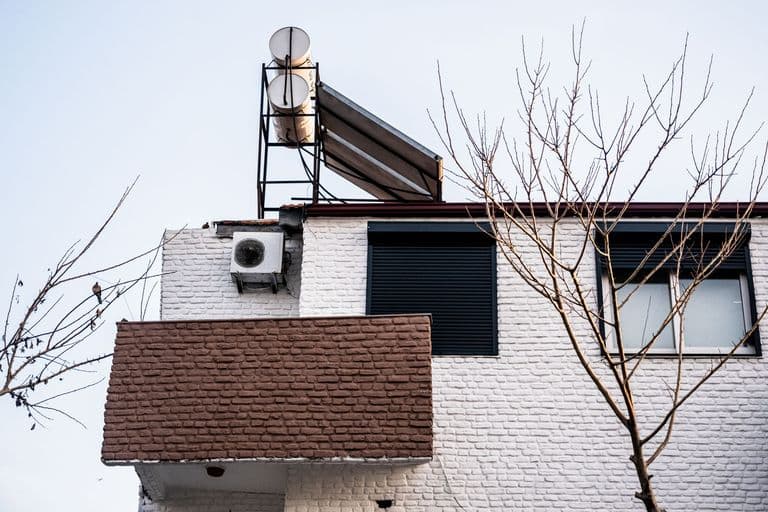
Air conditioning on solar power: what summer cooling really costs in 2026
In a heatwave, air conditioning becomes one of the biggest loads in a household — exactly when solar panels produce the most. We look at what cooling costs with and without solar, how much extra capacity you need, and what to watch for when sizing a system.
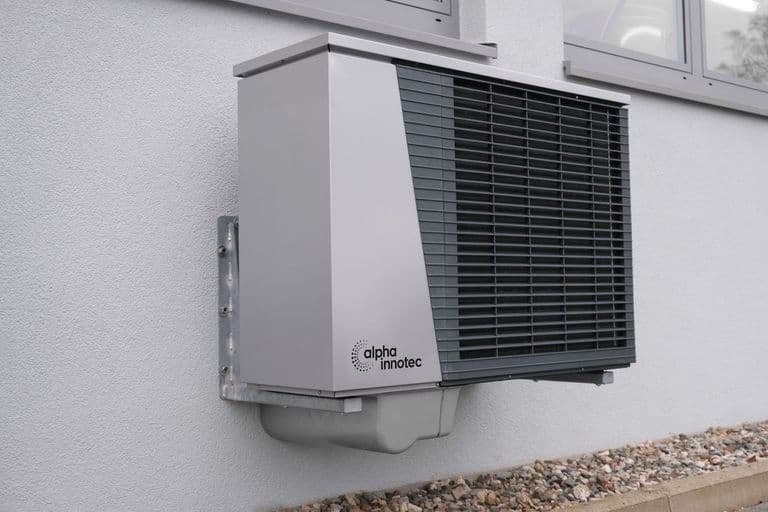
Heat Pump, Solar & H Tariff: How to Plan Together
Combining a heat pump, rooftop solar panels and a preferential electricity tariff can significantly cut household energy bills — but only if you plan all three as one integrated system. This guide walks through the decision logic, common mistakes and key considerations for homeowners.
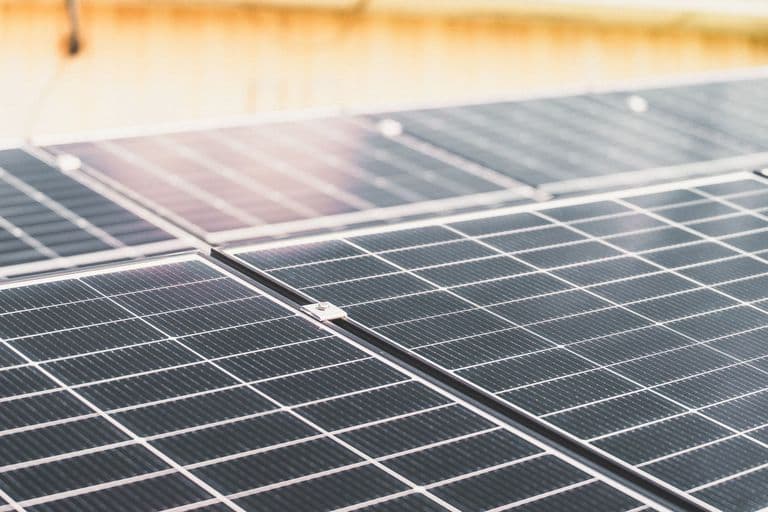
Solar + Heat Pump: When Do They Really Cut Your Bill?
Combining rooftop solar with an air-source heat pump seems like a perfect match, but real savings depend on how well their operating hours overlap. This guide explains the key decision factors for homeowners considering both systems.
Comments
0 commentsBe the first to comment.