
Solid-state battery technology is no longer just a buzzword for electric cars — it is about to make its debut in the consumer e-bike market. Ride1Up, a well-known US-based electric bicycle brand, has announced that its upcoming Revv1 EVO model will use semi solid-state battery cells, with a market launch expected in the coming months. This type of battery promises higher energy density, improved safety, and longer cycle life compared to conventional lithium-ion packs.
The development is significant because solid-state batteries have so far been associated mainly with automotive giants and well-funded startups, while mass-market consumer products have lagged behind. If Ride1Up delivers on this promise, the Revv1 EVO could set a new benchmark for e-bike energy storage and push competitors to accelerate their own battery roadmaps.
On the regulatory front, Massachusetts is working on a framework to classify personal mobility devices by speed rather than by vehicle type. Such a system could bring clarity to a fragmented landscape where e-bikes, electric scooters, and other light electric vehicles are often governed by inconsistent local rules across the United States and the European Union alike.
In other industry news, Life EV has acquired a manufacturing facility previously used by Rad Power Bikes, signalling consolidation and capacity expansion in the North American e-bike supply chain. Separately, the US Consumer Product Safety Commission (CPSC) issued a recall on certain bike lights over safety concerns, a reminder that the accessories market also requires rigorous quality oversight.
Source: Ride1Up’s Revv1 EVO to Use Solid State Battery Tech, MA Aims to Categorize Mobility Devices By Speed, CPSC Bike Light Recall | TWR Ep 82 - Electric Bike Report· Based on source, with AI-assisted rewriting.
Related articles
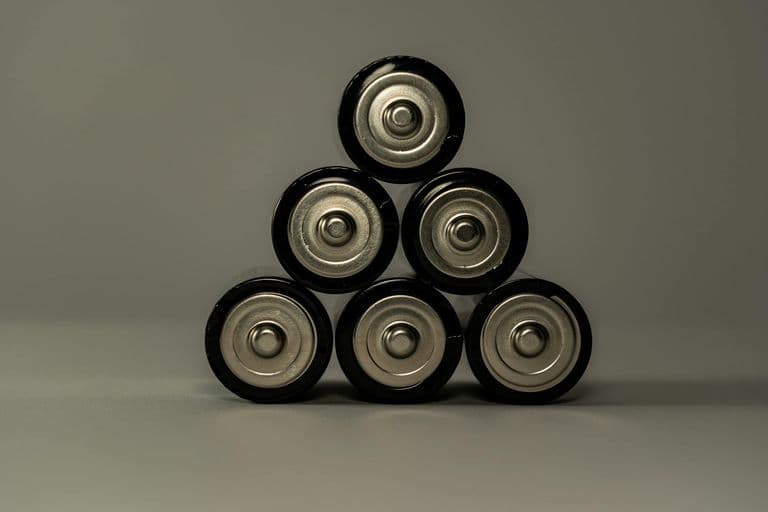
GM bets on sodium-ion storage and V2G at home
At its June 2026 Empower event in San Francisco, GM announced US-developed sodium-ion grid-scale battery storage and software-enabled V2G for existing EV owners — two moves that could reshape how homes and grids store renewable energy.
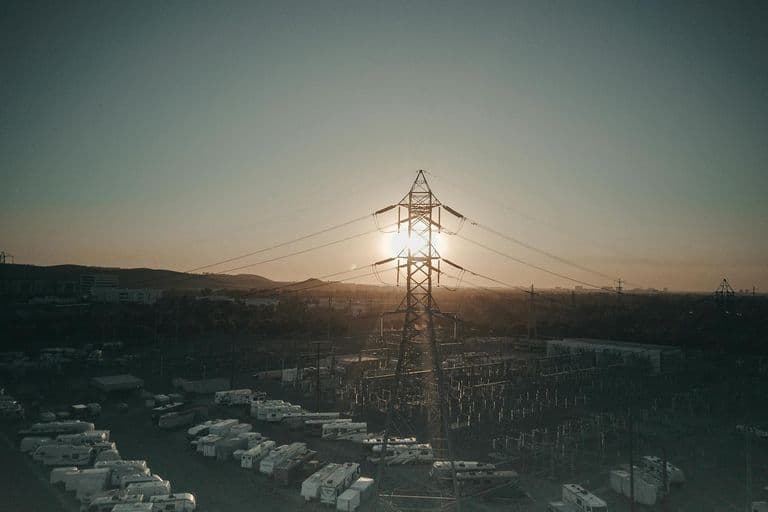
150 Power Plants: The Hidden Grid Cost of Weakening EU EV Targets
Scaling back the EU's electric vehicle targets could force Europe to build the equivalent of 150 new power plants just to keep the electricity grid balanced. EVs aren't just cars — as mobile battery storage, they are a critical and low-cost tool for integrating solar and wind energy into the grid.

Electric Commuter Bikes: What to Look for in an E-Bike
Electric bikes are becoming a serious option for daily urban commuting across Europe. The right e-bike offers programmable assist levels, a reliable battery, and enough versatility to handle varied terrain.

Battery storage booms, but Australia's grid edge lags behind
Australia's Cheaper Home Batteries Program has added 10.7 GWh of distributed storage to the grid, while EV sales surge to one in six new cars. Yet the country's biggest challenge is no longer on the supply side — it's the low-voltage distribution network that can't keep pace with simultaneous demand from EVs, home batteries and data centres.
Comments
0 commentsBe the first to comment.