
Interest in residential solar and battery storage systems has grown steadily across Europe, and for good reason: rising electricity prices have made self-consumption an increasingly attractive proposition. However, the actual savings a household can achieve depend on a wide range of variables — from roof orientation and available surface area to daily consumption habits and local grid tariffs. There is no one-size-fits-all answer, but understanding the key drivers helps set realistic expectations.
How Self-Consumption Actually Works
The share of solar energy that can be self-consumed — the so-called self-sufficiency ratio — varies considerably. A well-sized system paired with a battery can typically cover 60–80% of a household's annual electricity needs, though this figure depends heavily on system capacity, household size, and local climate. Households that shift flexible loads (washing machines, dishwashers, EV charging) to solar peak hours can further increase self-consumption even without a battery.
What About Payback Period?
Ultimately, solar and battery storage is a sound long-term investment for households with suitable roofs and sufficient electricity consumption. The key to maximising returns lies in accurate system sizing, active energy management, and realistic financial modelling. Before committing, an independent energy audit and consultation with a certified installer are strongly recommended.
Related articles

How Much Do Solar Panels Produce in Winter? Realistic Numbers
Winter output from a rooftop solar system is a fraction of the summer peak: shorter days, a low sun, cloud and snow mean that the four darkest months together typically deliver only around a tenth to a fifth of the annual yield, depending on latitude. This guide sets realistic month-by-month expectations, explains what winter means for self-consumption and your bill, shows how a battery and smart scheduling help, and why you should never size a system for December.

Pre-Season Heat Pump Checklist: What to Check in September
A heat pump does most of its work in the coldest months, but how much electricity it burns doing so is largely decided in September. Here is what homeowners can check themselves, from the outdoor unit to the heating curve, what to leave to a qualified engineer, and how to get the most out of rooftop solar in the autumn months.

Air conditioning on solar power: what summer cooling really costs in 2026
In a heatwave, air conditioning becomes one of the biggest loads in a household — exactly when solar panels produce the most. We look at what cooling costs with and without solar, how much extra capacity you need, and what to watch for when sizing a system.
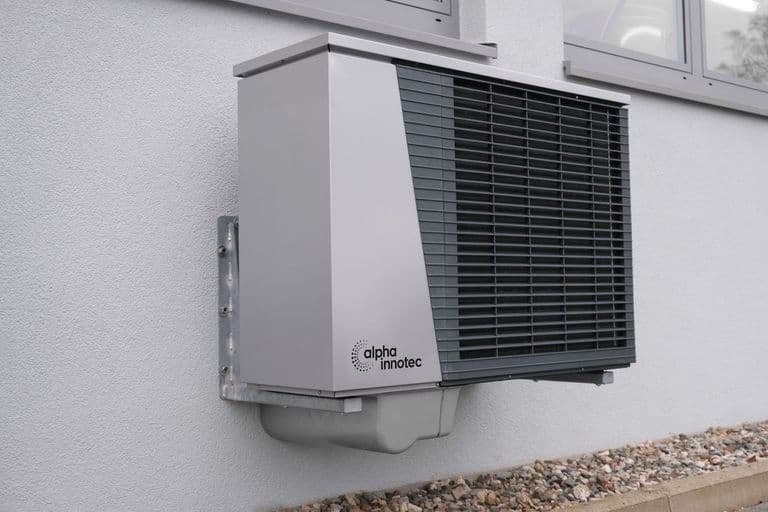
Heat Pump, Solar & H Tariff: How to Plan Together
Combining a heat pump, rooftop solar panels and a preferential electricity tariff can significantly cut household energy bills — but only if you plan all three as one integrated system. This guide walks through the decision logic, common mistakes and key considerations for homeowners.
Comments
0 commentsBe the first to comment.