
Residential solar PV has become one of the most common home-energy investments in Hungary over the past several years. Yet many homeowners make the mistake of comparing only the bottom-line figure on competing quotes, overlooking technology quality, warranty conditions and the long-term performance track record of the installer.
What Does a Solar System Cost in Hungary?
A reliable quote should specify system peak power (kWp), panel and inverter manufacturer and model, projected annual generation (kWh/year), all warranty periods (product warranty, performance warranty, workmanship warranty), and the process for grid connection approval. Missing any of these elements is a red flag worth addressing before signing anything.
String, Micro or Hybrid Inverter?
Inverter brand reliability matters as much as panel brand. A well-supported brand with local service partners means shorter downtime if a fault occurs – and lost generation days translate directly into slower payback.
Realistic Payback Expectations
Homes where occupants are away during peak solar hours naturally export more and self-consume less. A basic consumption-profile analysis – which any competent installer should offer as part of the quote process – can reveal whether a battery would meaningfully improve economics or whether shifting dishwasher and washing machine cycles to midday is sufficient.
Choosing the Right Installer
For homeowners who want to compare multiple verified installer quotes in one place, the jonapelem.hu platform offers a structured way to do this for the Hungarian market – fill in a short questionnaire about your home and usage, and receive offers from vetted partners. It is a useful starting point before committing to any single provider.
Related articles

How Much Do Solar Panels Produce in Winter? Realistic Numbers
Winter output from a rooftop solar system is a fraction of the summer peak: shorter days, a low sun, cloud and snow mean that the four darkest months together typically deliver only around a tenth to a fifth of the annual yield, depending on latitude. This guide sets realistic month-by-month expectations, explains what winter means for self-consumption and your bill, shows how a battery and smart scheduling help, and why you should never size a system for December.

Pre-Season Heat Pump Checklist: What to Check in September
A heat pump does most of its work in the coldest months, but how much electricity it burns doing so is largely decided in September. Here is what homeowners can check themselves, from the outdoor unit to the heating curve, what to leave to a qualified engineer, and how to get the most out of rooftop solar in the autumn months.
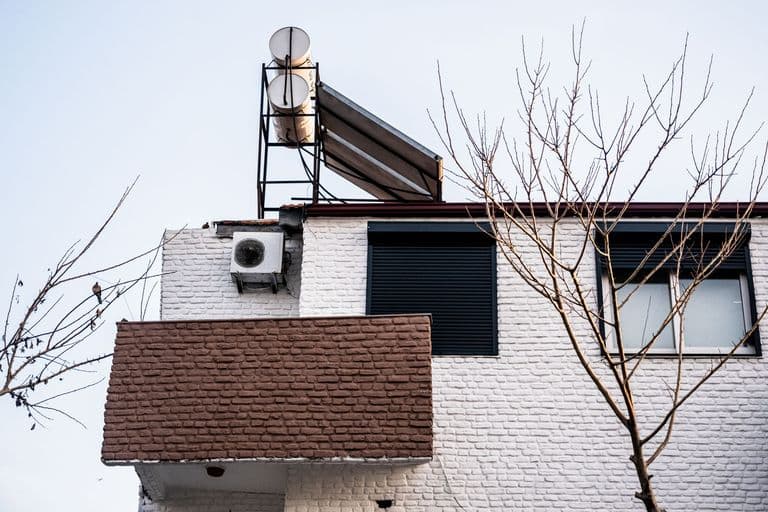
Air conditioning on solar power: what summer cooling really costs in 2026
In a heatwave, air conditioning becomes one of the biggest loads in a household — exactly when solar panels produce the most. We look at what cooling costs with and without solar, how much extra capacity you need, and what to watch for when sizing a system.
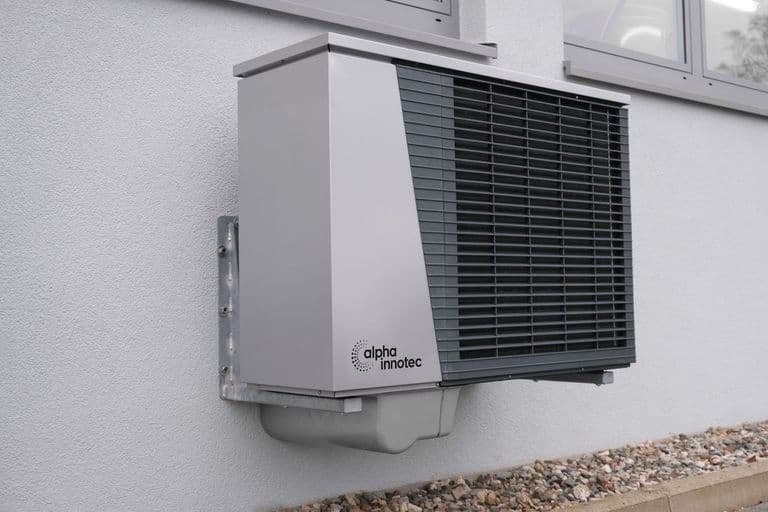
Heat Pump, Solar & H Tariff: How to Plan Together
Combining a heat pump, rooftop solar panels and a preferential electricity tariff can significantly cut household energy bills — but only if you plan all three as one integrated system. This guide walks through the decision logic, common mistakes and key considerations for homeowners.
Comments
0 commentsBe the first to comment.