
SolarEdge Technologies has secured Approved Vendor List (AVL) status for its Nexis inverter and battery system across six U.S. residential solar financing platforms: Palmetto Light Reach, Terra Energy, Maxwell Power (formerly HDM Renewable Finance), Participate Energy, Skylight Lending and IGS Solar. Together, these lenders cover a broad cross-section of the American home solar financing market.
Why AVL approvals matter for solar storage adoption
AVL status is a practical prerequisite for mass-market residential deployment. When a solar-plus-storage product is approved by a financing platform, installers can offer customers loan or lease options tied to that specific hardware — removing one of the biggest purchase barriers for homeowners. Broader AVL coverage for the Nexis system therefore translates directly into greater installation volumes.
The Nexis combines an inverter with integrated battery storage in a unified platform, enabling self-consumption optimization, backup power and smart grid interaction. This architecture aligns with the growing demand for all-in-one home energy systems that can maximize the value of rooftop solar.
The bigger picture: solar storage momentum
This development reflects a wider trend in residential energy: solar panels alone are increasingly bundled with battery storage, turning homes into active participants in energy management rather than simple consumers. For international markets — including Europe — the expansion of financing infrastructure around integrated inverter-battery systems is a key enabler of the energy transition.
Source: SolarEdge Nexis inverter + battery joins more US AVLs - Solar Power World· Based on source, with AI-assisted rewriting.
Related articles

How Much Do Solar Panels Produce in Winter? Realistic Numbers
Winter output from a rooftop solar system is a fraction of the summer peak: shorter days, a low sun, cloud and snow mean that the four darkest months together typically deliver only around a tenth to a fifth of the annual yield, depending on latitude. This guide sets realistic month-by-month expectations, explains what winter means for self-consumption and your bill, shows how a battery and smart scheduling help, and why you should never size a system for December.

Pre-Season Heat Pump Checklist: What to Check in September
A heat pump does most of its work in the coldest months, but how much electricity it burns doing so is largely decided in September. Here is what homeowners can check themselves, from the outdoor unit to the heating curve, what to leave to a qualified engineer, and how to get the most out of rooftop solar in the autumn months.

Air conditioning on solar power: what summer cooling really costs in 2026
In a heatwave, air conditioning becomes one of the biggest loads in a household — exactly when solar panels produce the most. We look at what cooling costs with and without solar, how much extra capacity you need, and what to watch for when sizing a system.
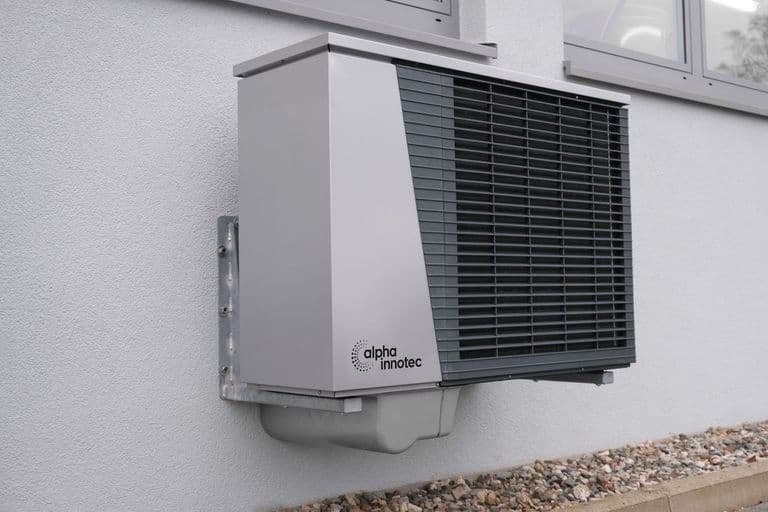
Heat Pump, Solar & H Tariff: How to Plan Together
Combining a heat pump, rooftop solar panels and a preferential electricity tariff can significantly cut household energy bills — but only if you plan all three as one integrated system. This guide walks through the decision logic, common mistakes and key considerations for homeowners.
Comments
0 commentsBe the first to comment.