
A newly announced $700 million federal subsidy for old coal power plants in the United States has drawn sharp criticism from clean energy advocates. The decision stands in stark contrast to market realities: utility-scale solar and onshore wind are now among the cheapest sources of new electricity generation globally, frequently beating coal even without subsidies.
Why Does Coal Still Get Political Support?
What This Means for Solar and Clean Energy Globally
The broader takeaway is clear: coal subsidies can slow the energy transition in specific markets, but they cannot reverse the structural cost advantage that solar and wind now hold. Every dollar spent propping up an ageing coal plant is a dollar not invested in the grid infrastructure, battery storage, or PV capacity that will power the decades ahead.
Source: Why Would Someone Prefer Coal Power Over Solar & Wind? - CleanTechnica· Based on source, with AI-assisted rewriting.
Related articles

How Much Do Solar Panels Produce in Winter? Realistic Numbers
Winter output from a rooftop solar system is a fraction of the summer peak: shorter days, a low sun, cloud and snow mean that the four darkest months together typically deliver only around a tenth to a fifth of the annual yield, depending on latitude. This guide sets realistic month-by-month expectations, explains what winter means for self-consumption and your bill, shows how a battery and smart scheduling help, and why you should never size a system for December.

Pre-Season Heat Pump Checklist: What to Check in September
A heat pump does most of its work in the coldest months, but how much electricity it burns doing so is largely decided in September. Here is what homeowners can check themselves, from the outdoor unit to the heating curve, what to leave to a qualified engineer, and how to get the most out of rooftop solar in the autumn months.

Air conditioning on solar power: what summer cooling really costs in 2026
In a heatwave, air conditioning becomes one of the biggest loads in a household — exactly when solar panels produce the most. We look at what cooling costs with and without solar, how much extra capacity you need, and what to watch for when sizing a system.
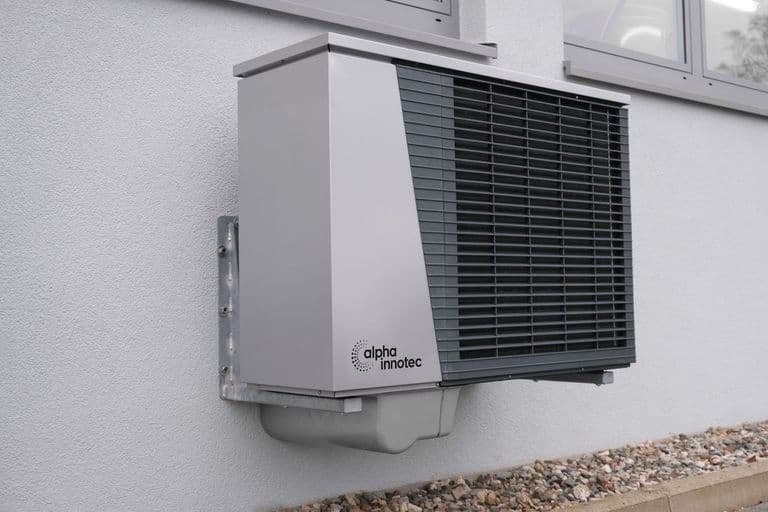
Heat Pump, Solar & H Tariff: How to Plan Together
Combining a heat pump, rooftop solar panels and a preferential electricity tariff can significantly cut household energy bills — but only if you plan all three as one integrated system. This guide walks through the decision logic, common mistakes and key considerations for homeowners.
Comments
0 commentsBe the first to comment.