
On April 21, 2026, a judge at the U.S. District Court for the District of Massachusetts ruled in favor of renewable energy developers, issuing a temporary block on multiple actions taken by the Trump administration that had been hampering the clean energy industry. The decision marks one of the most significant legal victories for the sector in recent months.
Since returning to office, Donald Trump's administration has pursued an aggressive campaign against renewables, erecting barriers around project permitting, federal funding streams, and regulatory approvals for wind and solar developments. These moves have slowed the pace of the US clean energy transition considerably.
The court's ruling is temporary in nature, but it sets an important legal precedent as further challenges work their way through the judicial system. Renewable energy developers — including solar and wind project operators — have welcomed the decision as a crucial breathing space to continue building out capacity.
For international observers, the case underscores the vulnerability of clean energy investment to political headwinds. The outcome will be closely watched across the EU and globally, as US energy policy uncertainty can ripple through global renewable energy supply chains, technology markets, and investor confidence in the sector.
Source: WIN: Judge Blocks Trump’s Efforts to Kneecap Renewables - CleanTechnica· Based on source, with AI-assisted rewriting.
Related articles

How Much Do Solar Panels Produce in Winter? Realistic Numbers
Winter output from a rooftop solar system is a fraction of the summer peak: shorter days, a low sun, cloud and snow mean that the four darkest months together typically deliver only around a tenth to a fifth of the annual yield, depending on latitude. This guide sets realistic month-by-month expectations, explains what winter means for self-consumption and your bill, shows how a battery and smart scheduling help, and why you should never size a system for December.

Pre-Season Heat Pump Checklist: What to Check in September
A heat pump does most of its work in the coldest months, but how much electricity it burns doing so is largely decided in September. Here is what homeowners can check themselves, from the outdoor unit to the heating curve, what to leave to a qualified engineer, and how to get the most out of rooftop solar in the autumn months.

Air conditioning on solar power: what summer cooling really costs in 2026
In a heatwave, air conditioning becomes one of the biggest loads in a household — exactly when solar panels produce the most. We look at what cooling costs with and without solar, how much extra capacity you need, and what to watch for when sizing a system.
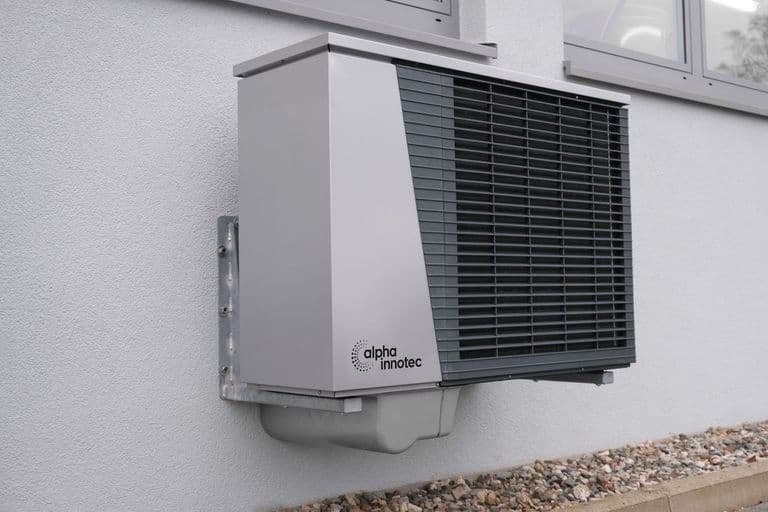
Heat Pump, Solar & H Tariff: How to Plan Together
Combining a heat pump, rooftop solar panels and a preferential electricity tariff can significantly cut household energy bills — but only if you plan all three as one integrated system. This guide walks through the decision logic, common mistakes and key considerations for homeowners.
Comments
0 commentsBe the first to comment.