
The U.S. Department of Energy (DOE) regularly publishes cost benchmark reports for solar photovoltaic (PV) systems, breaking down installation expenses across residential, commercial, and utility-scale categories. These benchmarks serve as a widely-used reference for investors, policymakers, and installers around the world.
According to the latest data, residential PV system costs in the U.S. typically range between $2.50 and $3.50 per watt of installed capacity. While hardware costs — including modules and inverters — have fallen sharply over the past decade, so-called 'soft costs' such as permitting, labor, and customer acquisition now represent a growing share of the total price.
The utility-scale segment continues to see the lowest costs per watt, benefiting from economies of scale and streamlined procurement. Commercial rooftop systems sit in between, though their costs vary widely depending on roof type, local regulations, and grid connection requirements.
For the broader global solar market, the DOE benchmarks provide a useful baseline. In Europe, installation costs are broadly comparable, though national incentive schemes, grid tariffs, and labor markets create significant variation. The overarching message remains clear: solar PV is now one of the cheapest sources of new electricity generation worldwide.
Source: Solar Photovoltaic System Cost Benchmarks - Department of Energy (.gov) - Google News — Solar· Based on source, with AI-assisted rewriting.
Related articles

How Much Do Solar Panels Produce in Winter? Realistic Numbers
Winter output from a rooftop solar system is a fraction of the summer peak: shorter days, a low sun, cloud and snow mean that the four darkest months together typically deliver only around a tenth to a fifth of the annual yield, depending on latitude. This guide sets realistic month-by-month expectations, explains what winter means for self-consumption and your bill, shows how a battery and smart scheduling help, and why you should never size a system for December.

Pre-Season Heat Pump Checklist: What to Check in September
A heat pump does most of its work in the coldest months, but how much electricity it burns doing so is largely decided in September. Here is what homeowners can check themselves, from the outdoor unit to the heating curve, what to leave to a qualified engineer, and how to get the most out of rooftop solar in the autumn months.

Air conditioning on solar power: what summer cooling really costs in 2026
In a heatwave, air conditioning becomes one of the biggest loads in a household — exactly when solar panels produce the most. We look at what cooling costs with and without solar, how much extra capacity you need, and what to watch for when sizing a system.
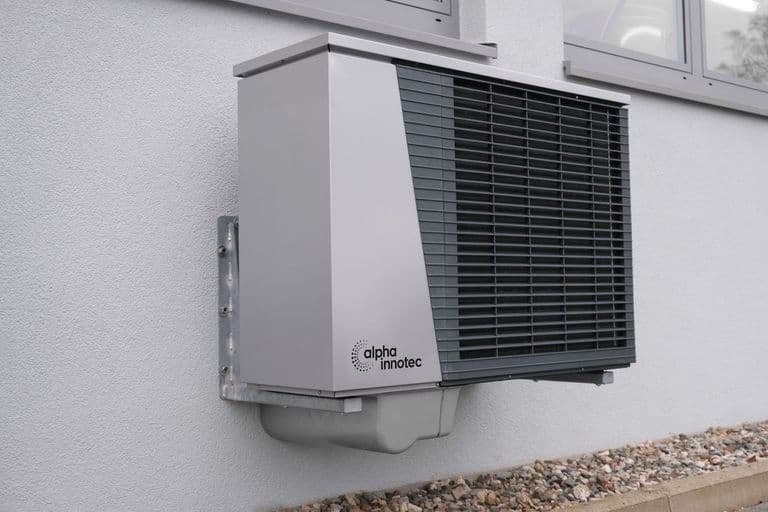
Heat Pump, Solar & H Tariff: How to Plan Together
Combining a heat pump, rooftop solar panels and a preferential electricity tariff can significantly cut household energy bills — but only if you plan all three as one integrated system. This guide walks through the decision logic, common mistakes and key considerations for homeowners.
Comments
0 commentsBe the first to comment.