
London-based independent power producer Globeleq has officially broken ground on the Leopards Hill Solar and Battery Project, Zambia's largest hybrid renewable energy development to date. Situated at Kyindu Ranch in the Chongwe District of Lusaka Province — roughly 25 km southeast of the capital — the project combines a 250 MW solar photovoltaic plant with a 150 MW/600 MWh battery energy storage system (BESS), giving it a four-hour discharge capacity designed to address peak demand and grid stability challenges.
Alongside the construction launch, Globeleq signed a grid connection agreement with ZESCO, Zambia's national utility, underscoring the project's integration into the country's broader power infrastructure. The project is being co-developed with Leopard Investment Company, a Zambian agricultural business that owns the Leopards Hill substation — a partnership that blends local land stewardship with international energy expertise.
Globeleq is owned by British International Investment (the UK's development finance institution) and Norwegian fund Norfund. The company opened its Lusaka office in 2025 and is building a substantial portfolio in Zambia, including a 51% stake in the Lunsemfwa Hydro Power Company — providing access to the Southern African Power Pool — and the 56 MW Kafue Solar project, nearing financial close under the GET FiT Zambia program.
The Leopards Hill project is expected to create 200–250 jobs at peak construction and additional permanent roles once operational. Financial close is targeted for end of 2026. For context, Zambia currently has around 912.4 MW of operational solar capacity across 142 projects (AFSIA data), and the country's largest operational project to date is ZESCO's 100 MW Chisamba solar farm, completed in May 2025.
Source: Work begins on Zambia’s largest solar-plus-storage project - PV Magazine International· Based on source, with AI-assisted rewriting.
Related articles

How Much Do Solar Panels Produce in Winter? Realistic Numbers
Winter output from a rooftop solar system is a fraction of the summer peak: shorter days, a low sun, cloud and snow mean that the four darkest months together typically deliver only around a tenth to a fifth of the annual yield, depending on latitude. This guide sets realistic month-by-month expectations, explains what winter means for self-consumption and your bill, shows how a battery and smart scheduling help, and why you should never size a system for December.
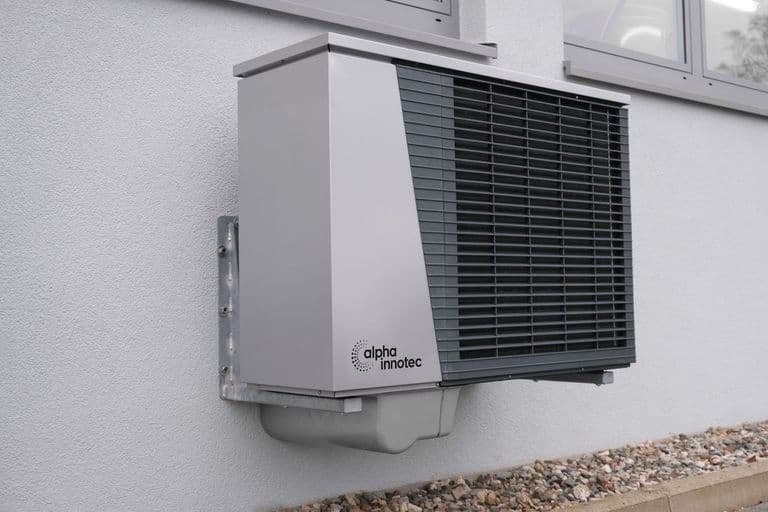
Heat Pump, Solar & H Tariff: How to Plan Together
Combining a heat pump, rooftop solar panels and a preferential electricity tariff can significantly cut household energy bills — but only if you plan all three as one integrated system. This guide walks through the decision logic, common mistakes and key considerations for homeowners.
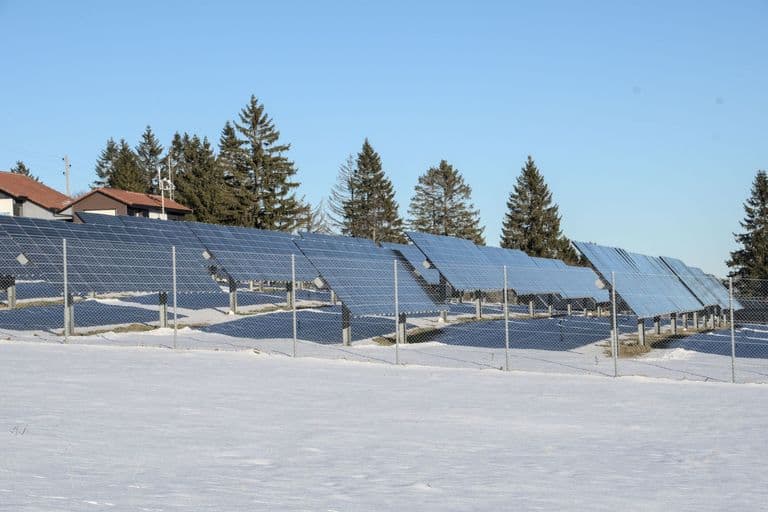
Solar PV in the Arctic: Svalbard's surprising potential
Researchers at Norway's SINTEF have found that solar PV in Longyearbyen, one of the world's northernmost inhabited settlements, can achieve capacity factors comparable to central European cities during summer. The study shows that PV, combined with wind and storage, could play a pivotal role in the Arctic energy transition.
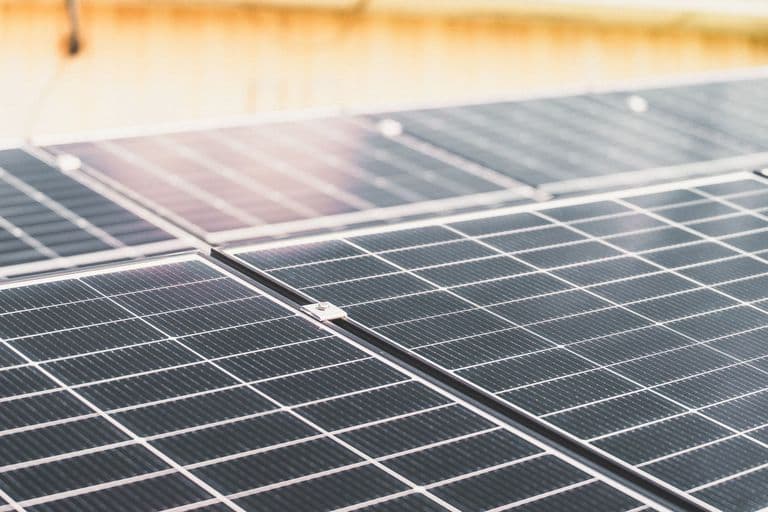
Solar + Heat Pump: When Do They Really Cut Your Bill?
Combining rooftop solar with an air-source heat pump seems like a perfect match, but real savings depend on how well their operating hours overlap. This guide explains the key decision factors for homeowners considering both systems.
Comments
0 commentsBe the first to comment.