
Chinese solar tracker and solutions provider Arctech has secured a significant contract with the East China Electric Power Design Institute of PowerChina for the ADQ solar project in the United Arab Emirates, totalling 2,091 MW of capacity. The agreement was signed at SNEC 2026 in Shanghai on June 3, highlighting the continued dominance of Chinese manufacturers in large-scale international solar procurement.
Solar-plus-storage momentum grows
Polysilicon prices: slight decline, structural pressure
Wafer, cell, and module prices remained stable. N-type modules traded at CNY 0.71–0.75/W, a level that, if sustained, continues to support favourable economics for new solar installations across Europe. Industry utilisation rates edged upward, with integrated producers running at 52–60% capacity. Several major manufacturers plan to restart or expand production in June, which could push supply even higher in the coming weeks.
On the procurement side, China Energy Engineering Corp. launched a centralized tender for up to 20 GW of PV inverters across eight lots, ranging from small string inverters (5 kW) to large central inverters (3.125 MW and above). This scale of domestic Chinese procurement signals continued strong pipeline growth in the world's largest solar market, with ripple effects on global inverter availability and pricing.
Source: Chinese PV Industry Brief: Arctech wins 2.1 GW solar deal - PV Magazine International· Based on source, with AI-assisted rewriting.
Related articles

How Much Do Solar Panels Produce in Winter? Realistic Numbers
Winter output from a rooftop solar system is a fraction of the summer peak: shorter days, a low sun, cloud and snow mean that the four darkest months together typically deliver only around a tenth to a fifth of the annual yield, depending on latitude. This guide sets realistic month-by-month expectations, explains what winter means for self-consumption and your bill, shows how a battery and smart scheduling help, and why you should never size a system for December.

Pre-Season Heat Pump Checklist: What to Check in September
A heat pump does most of its work in the coldest months, but how much electricity it burns doing so is largely decided in September. Here is what homeowners can check themselves, from the outdoor unit to the heating curve, what to leave to a qualified engineer, and how to get the most out of rooftop solar in the autumn months.
Air conditioning on solar power: what summer cooling really costs in 2026
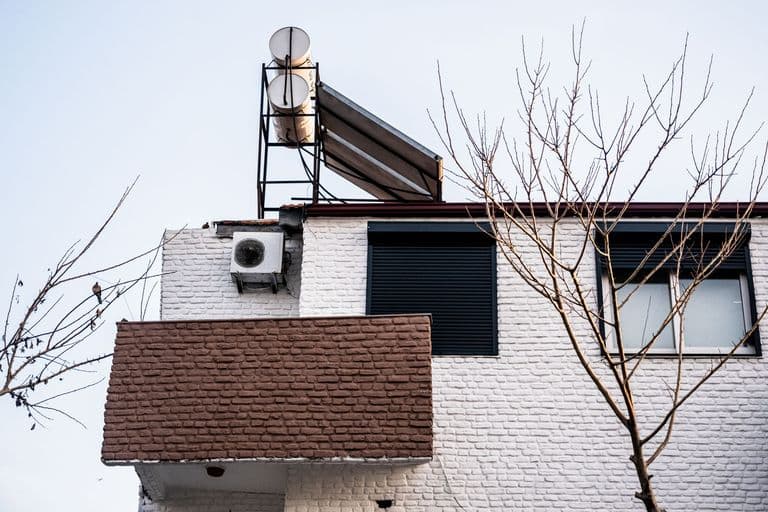
In a heatwave, air conditioning becomes one of the biggest loads in a household — exactly when solar panels produce the most. We look at what cooling costs with and without solar, how much extra capacity you need, and what to watch for when sizing a system.
Heat Pump, Solar & H Tariff: How to Plan Together
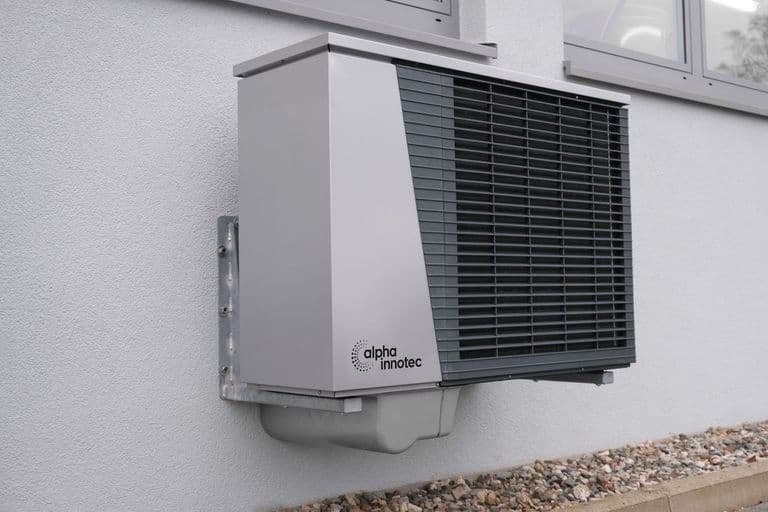
Combining a heat pump, rooftop solar panels and a preferential electricity tariff can significantly cut household energy bills — but only if you plan all three as one integrated system. This guide walks through the decision logic, common mistakes and key considerations for homeowners.
Comments
0 commentsBe the first to comment.