
A self-driving electric shuttle called BumbleB, developed by German engineering company Bertrandt, has entered live trials at the Fraunhofer campus in Stuttgart. The project is led by Fraunhofer and focuses on reimagining how companies and institutions can handle short-distance employee mobility in a more sustainable way.
The BumbleB shuttle will operate a fixed route connecting the research campus to a nearby S-Bahn commuter rail station, serving as a last-mile link for employees and visitors. This type of campus-to-transit connection is increasingly seen as a practical entry point for deploying autonomous electric vehicles in controlled environments.
The Stuttgart trial is part of a broader European push to develop and validate autonomous mobility solutions in real urban and semi-urban settings. Germany, with its strong automotive industry heritage and active research infrastructure, is well positioned to lead such pilot programs.
If successful, projects like BumbleB could provide a scalable blueprint for autonomous electric shuttles at corporate parks, hospitals, universities, and other campuses across the EU — complementing public transit rather than replacing it.
Source: Autonomous ‘BumbleB’ shuttle begins campus trials in Stuttgart mobility project - Electrive (EN)· Based on source, with AI-assisted rewriting.
Related articles
GM bets on sodium-ion storage and V2G at home
At its June 2026 Empower event in San Francisco, GM announced US-developed sodium-ion grid-scale battery storage and software-enabled V2G for existing EV owners — two moves that could reshape how homes and grids store renewable energy.
150 Power Plants: The Hidden Grid Cost of Weakening EU EV Targets
Scaling back the EU's electric vehicle targets could force Europe to build the equivalent of 150 new power plants just to keep the electricity grid balanced. EVs aren't just cars — as mobile battery storage, they are a critical and low-cost tool for integrating solar and wind energy into the grid.
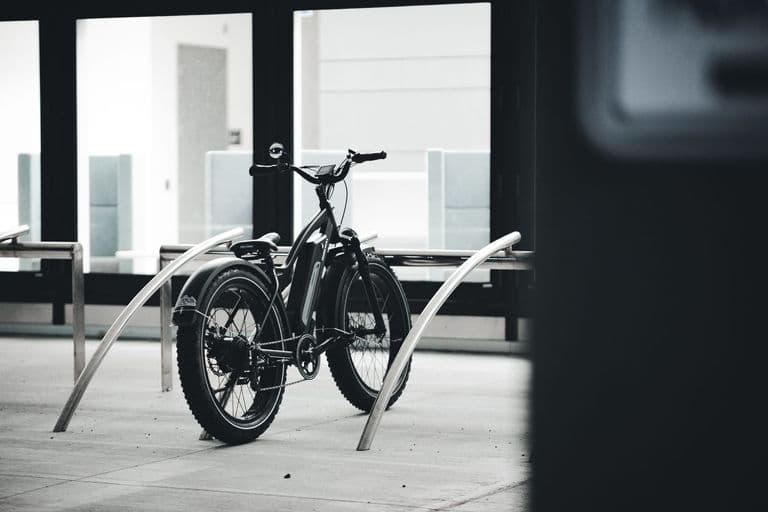
Electric Commuter Bikes: What to Look for in an E-Bike
Electric bikes are becoming a serious option for daily urban commuting across Europe. The right e-bike offers programmable assist levels, a reliable battery, and enough versatility to handle varied terrain.

Battery storage booms, but Australia's grid edge lags behind
Australia's Cheaper Home Batteries Program has added 10.7 GWh of distributed storage to the grid, while EV sales surge to one in six new cars. Yet the country's biggest challenge is no longer on the supply side — it's the low-voltage distribution network that can't keep pace with simultaneous demand from EVs, home batteries and data centres.
Comments
0 commentsBe the first to comment.