
As energy prices remain elevated following the European gas crisis, heat pumps have emerged as one of the most practical responses for homeowners looking to cut their heating bills and carbon footprint simultaneously. Sales figures reported by Renewable Energy Magazine confirm a clear upward trend in the sector.
Heat pumps work by extracting heat from the outside air or ground and transferring it indoors, delivering 3–4 units of heat for every unit of electricity consumed. This efficiency advantage — combined with falling installation costs — is making the technology increasingly attractive compared to gas boilers.
Across the EU, governments have introduced incentive schemes to accelerate the switch. In Hungary, for example, programmes such as Otthon Melege (Warm Home) co-fund heat pump installations for residential properties. Similar support mechanisms exist in Germany, France, and the Netherlands, reflecting a continent-wide policy push.
Industry analysts expect the heat pump market to continue its strong growth trajectory, particularly as electricity grids are decarbonised with more renewables. When paired with rooftop solar panels, a heat pump can dramatically reduce — or even eliminate — a home's reliance on grid energy, making it a cornerstone technology of the residential energy transition.
Source: Energy crisis sees rise in heat pump sales - renewableenergymagazine.com - Google News — Heat Pump· Based on source, with AI-assisted rewriting.
Related articles

Pre-Season Heat Pump Checklist: What to Check in September
A heat pump does most of its work in the coldest months, but how much electricity it burns doing so is largely decided in September. Here is what homeowners can check themselves, from the outdoor unit to the heating curve, what to leave to a qualified engineer, and how to get the most out of rooftop solar in the autumn months.

Air conditioning on solar power: what summer cooling really costs in 2026
In a heatwave, air conditioning becomes one of the biggest loads in a household — exactly when solar panels produce the most. We look at what cooling costs with and without solar, how much extra capacity you need, and what to watch for when sizing a system.
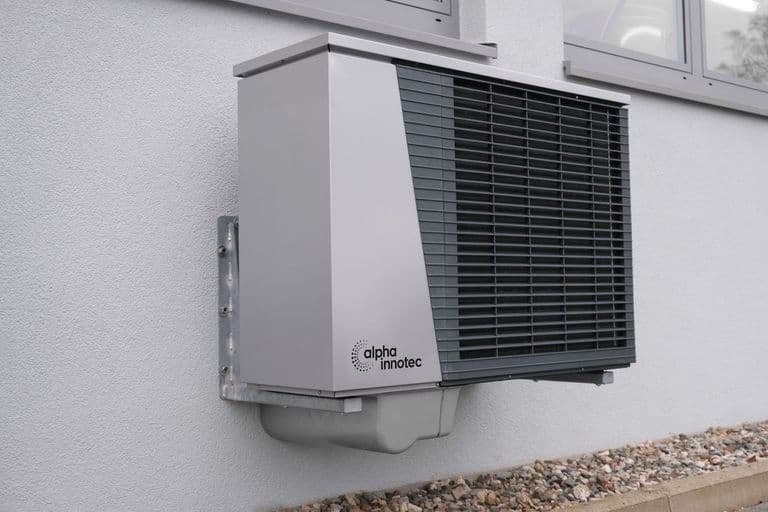
Heat Pump, Solar & H Tariff: How to Plan Together
Combining a heat pump, rooftop solar panels and a preferential electricity tariff can significantly cut household energy bills — but only if you plan all three as one integrated system. This guide walks through the decision logic, common mistakes and key considerations for homeowners.
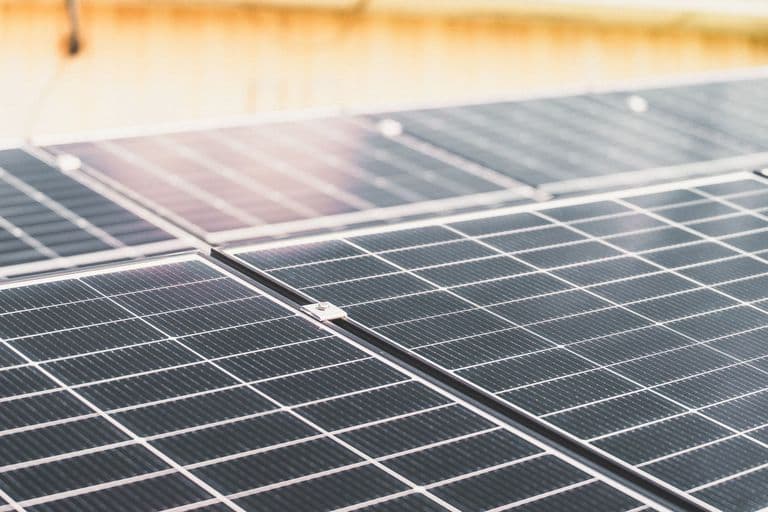
Solar + Heat Pump: When Do They Really Cut Your Bill?
Combining rooftop solar with an air-source heat pump seems like a perfect match, but real savings depend on how well their operating hours overlap. This guide explains the key decision factors for homeowners considering both systems.
Comments
0 commentsBe the first to comment.