
Political pressure is mounting in Brussels to soften or delay the EU's 2035 combustion engine ban. But a new analysis highlights a largely overlooked consequence: without a large fleet of electric vehicles acting as distributed battery storage, grid balancing becomes dramatically more expensive — potentially requiring the equivalent of 150 additional power plants across Europe.
EVs as Grid Infrastructure
Europe's renewable energy capacity is expanding rapidly — solar PV installations broke records again in 2024 and 2025. But more solar and wind means more need for storage and grid flexibility. If EV uptake is slowed by weakened mandates, that flexibility gap has to be filled by other means: new peaker plants, large-scale battery storage facilities, or expensive grid upgrades.
What This Means for Home and Business Energy
Source: 150 New Power Plants: The Cost of Balancing the Grid If the EU Slashes EV Targets - CleanTechnica· Based on source, with AI-assisted rewriting.
Related articles

How Much Do Solar Panels Produce in Winter? Realistic Numbers
Winter output from a rooftop solar system is a fraction of the summer peak: shorter days, a low sun, cloud and snow mean that the four darkest months together typically deliver only around a tenth to a fifth of the annual yield, depending on latitude. This guide sets realistic month-by-month expectations, explains what winter means for self-consumption and your bill, shows how a battery and smart scheduling help, and why you should never size a system for December.
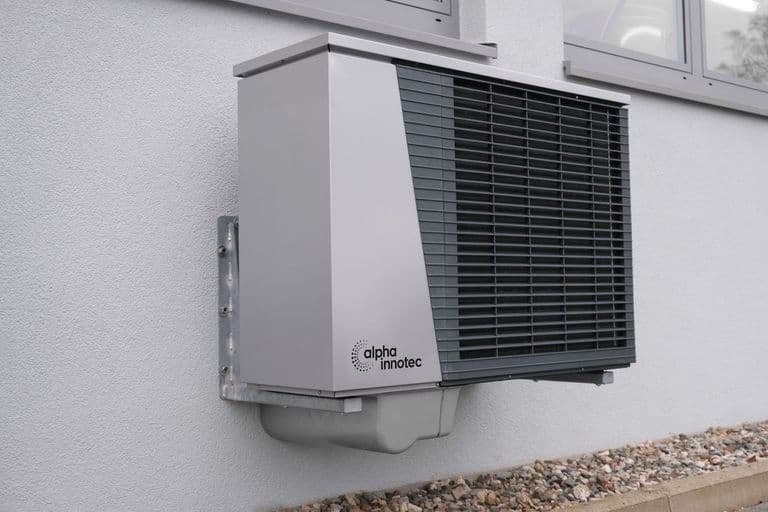
Heat Pump, Solar & H Tariff: How to Plan Together
Combining a heat pump, rooftop solar panels and a preferential electricity tariff can significantly cut household energy bills — but only if you plan all three as one integrated system. This guide walks through the decision logic, common mistakes and key considerations for homeowners.
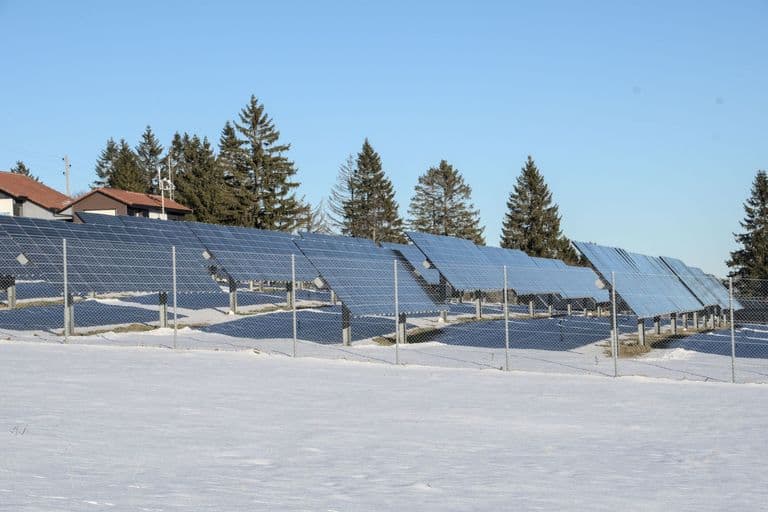
Solar PV in the Arctic: Svalbard's surprising potential
Researchers at Norway's SINTEF have found that solar PV in Longyearbyen, one of the world's northernmost inhabited settlements, can achieve capacity factors comparable to central European cities during summer. The study shows that PV, combined with wind and storage, could play a pivotal role in the Arctic energy transition.
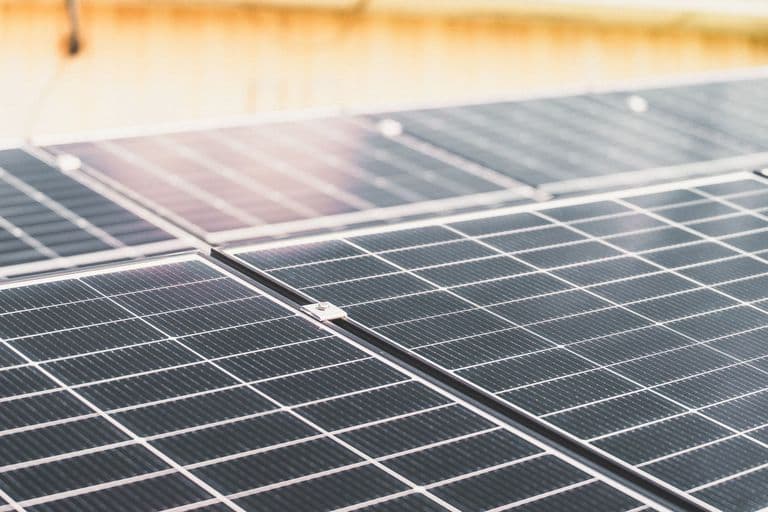
Solar + Heat Pump: When Do They Really Cut Your Bill?
Combining rooftop solar with an air-source heat pump seems like a perfect match, but real savings depend on how well their operating hours overlap. This guide explains the key decision factors for homeowners considering both systems.
Comments
0 commentsBe the first to comment.