
London-listed Invinity Energy Systems has completed delivery of its 20.7 megawatt-hour vanadium flow battery (VFB) system to the Copwood VFB Energy Hub located in East Sussex, England. The milestone marks a significant step forward for long-duration energy storage in Europe, as grid operators increasingly seek technologies that can store renewable energy over extended periods without significant capacity degradation.
Vanadium flow batteries differ fundamentally from conventional lithium-ion cells: they store energy in liquid vanadium electrolyte tanks, allowing capacity and power output to be scaled independently. Crucially, they can endure an virtually unlimited number of charge-discharge cycles with negligible performance loss — a major advantage for grid-scale applications where assets must operate reliably for decades.
Once commissioned later in 2026, Invinity says the Copwood project will hold the title of Europe's largest vanadium flow battery installation. The 20.7 MWh figure is substantial: by comparison, the average EU household consumes roughly 3.5 MWh per year, meaning this single system could theoretically power nearly 6,000 homes for a day on a single charge.
The project reflects a broader European push to diversify grid-scale energy storage beyond lithium-ion dominance. As solar and wind capacity continues to expand across the EU, long-duration storage technologies like VFBs are gaining traction among utilities and grid operators seeking stable, low-degradation assets to balance intermittent generation.
Source: The UK delivers Europe’s largest vanadium flow battery system - Electrek· Based on source, with AI-assisted rewriting.
Related articles

How Much Do Solar Panels Produce in Winter? Realistic Numbers
Winter output from a rooftop solar system is a fraction of the summer peak: shorter days, a low sun, cloud and snow mean that the four darkest months together typically deliver only around a tenth to a fifth of the annual yield, depending on latitude. This guide sets realistic month-by-month expectations, explains what winter means for self-consumption and your bill, shows how a battery and smart scheduling help, and why you should never size a system for December.
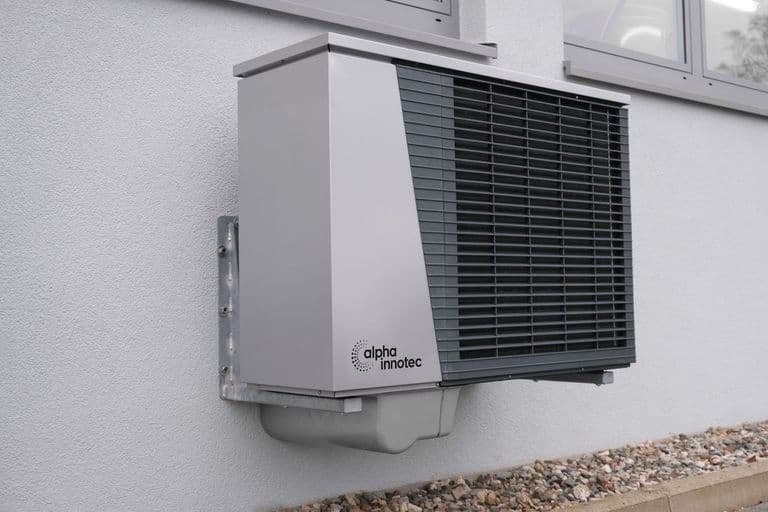
Heat Pump, Solar & H Tariff: How to Plan Together
Combining a heat pump, rooftop solar panels and a preferential electricity tariff can significantly cut household energy bills — but only if you plan all three as one integrated system. This guide walks through the decision logic, common mistakes and key considerations for homeowners.
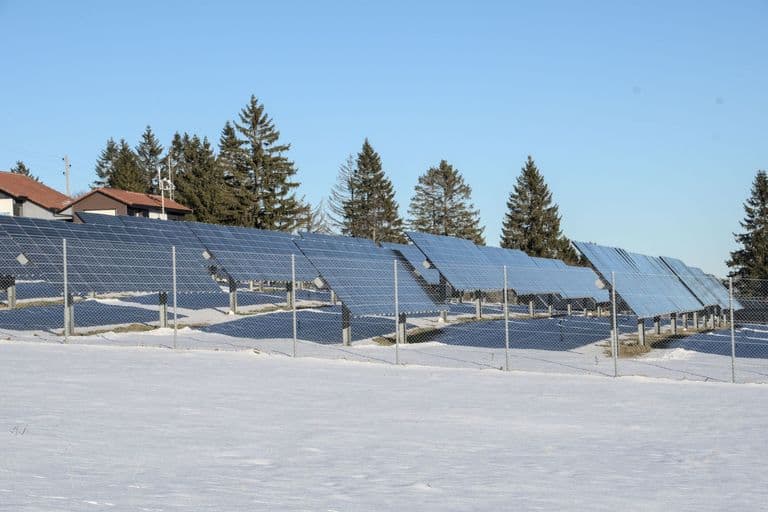
Solar PV in the Arctic: Svalbard's surprising potential
Researchers at Norway's SINTEF have found that solar PV in Longyearbyen, one of the world's northernmost inhabited settlements, can achieve capacity factors comparable to central European cities during summer. The study shows that PV, combined with wind and storage, could play a pivotal role in the Arctic energy transition.
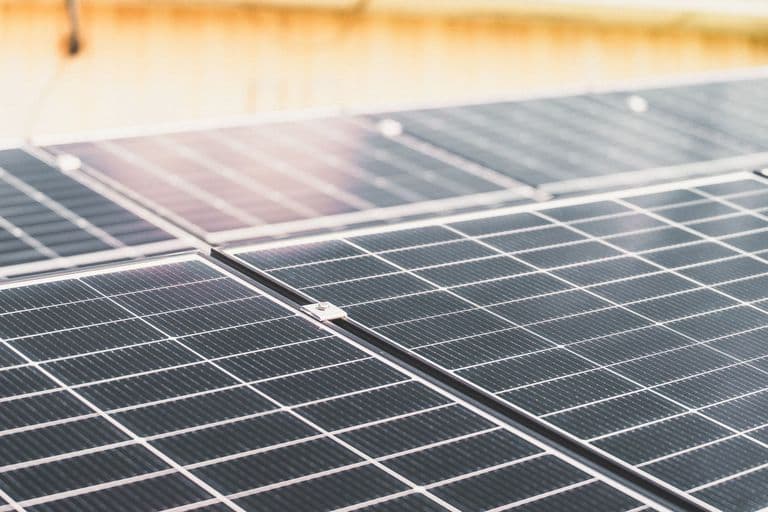
Solar + Heat Pump: When Do They Really Cut Your Bill?
Combining rooftop solar with an air-source heat pump seems like a perfect match, but real savings depend on how well their operating hours overlap. This guide explains the key decision factors for homeowners considering both systems.
Comments
0 commentsBe the first to comment.