
Home battery systems have been generating significant buzz, but the real question is: do homeowners actually want a full whole-home backup solution, or are they simply looking to keep the fridge running and the lights on during an outage? Electrek polled its readers to find out, and the answers paint a nuanced picture of real-world demand.
The survey responses showed a wide spread of needs. Some readers said a modest 5–10 kWh system would cover their essentials — refrigerator, lighting, basic internet connectivity — while others expressed interest in larger setups capable of running heating, cooling, and EV charging through an extended grid outage. The gap between 'survival mode' and 'full energy independence' is significant, both in terms of cost and system complexity.
From a European and international perspective, the conversation around home batteries is increasingly tied to solar self-consumption. As feed-in tariffs decline across many EU markets, pairing rooftop solar with battery storage has become a financially attractive strategy. Products like the Tesla Powerwall, BYD Battery-Box, or SolarEdge Home Battery are widely available and cater to a range of capacity needs.
The survey ultimately highlights that one size does not fit all. A household's ideal battery capacity depends on local grid reliability, energy consumption patterns, the size of any existing solar installation, and budget. For most homeowners, a 10–20 kWh system represents a practical sweet spot — enough for overnight solar storage or a day-long outage, without the premium cost of a full whole-home setup.
Source: Survey Sunday: How much home battery backup do YOU need? - Electrek· Based on source, with AI-assisted rewriting.
Related articles

How Much Do Solar Panels Produce in Winter? Realistic Numbers
Winter output from a rooftop solar system is a fraction of the summer peak: shorter days, a low sun, cloud and snow mean that the four darkest months together typically deliver only around a tenth to a fifth of the annual yield, depending on latitude. This guide sets realistic month-by-month expectations, explains what winter means for self-consumption and your bill, shows how a battery and smart scheduling help, and why you should never size a system for December.
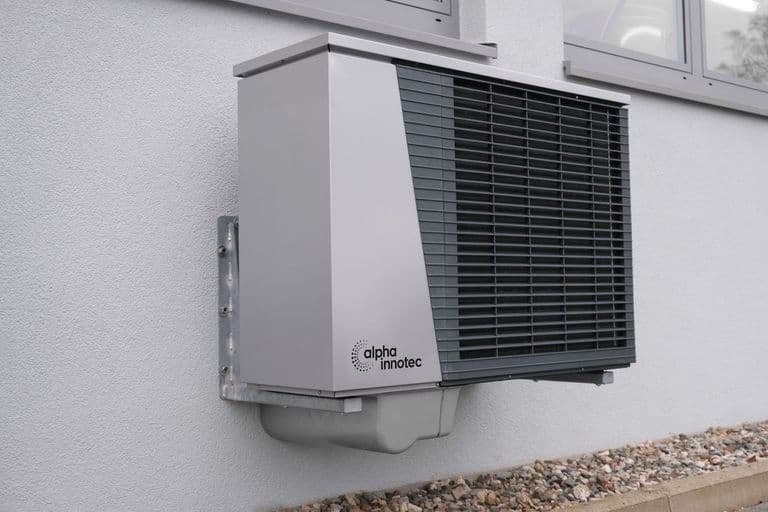
Heat Pump, Solar & H Tariff: How to Plan Together
Combining a heat pump, rooftop solar panels and a preferential electricity tariff can significantly cut household energy bills — but only if you plan all three as one integrated system. This guide walks through the decision logic, common mistakes and key considerations for homeowners.
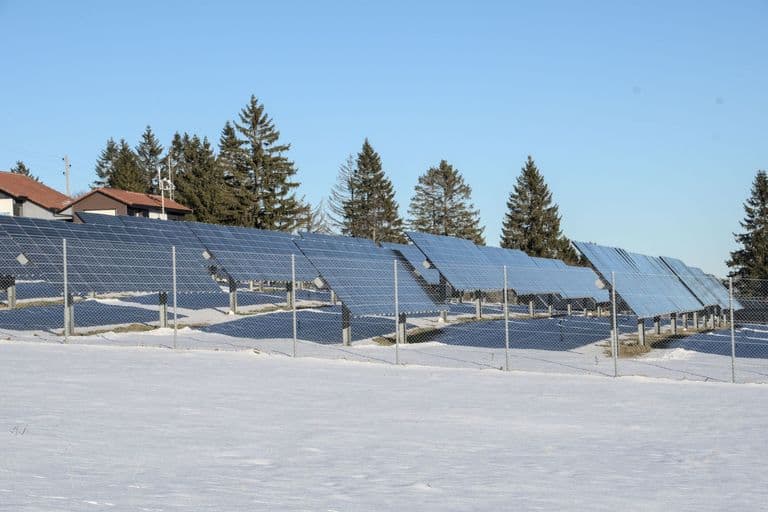
Solar PV in the Arctic: Svalbard's surprising potential
Researchers at Norway's SINTEF have found that solar PV in Longyearbyen, one of the world's northernmost inhabited settlements, can achieve capacity factors comparable to central European cities during summer. The study shows that PV, combined with wind and storage, could play a pivotal role in the Arctic energy transition.
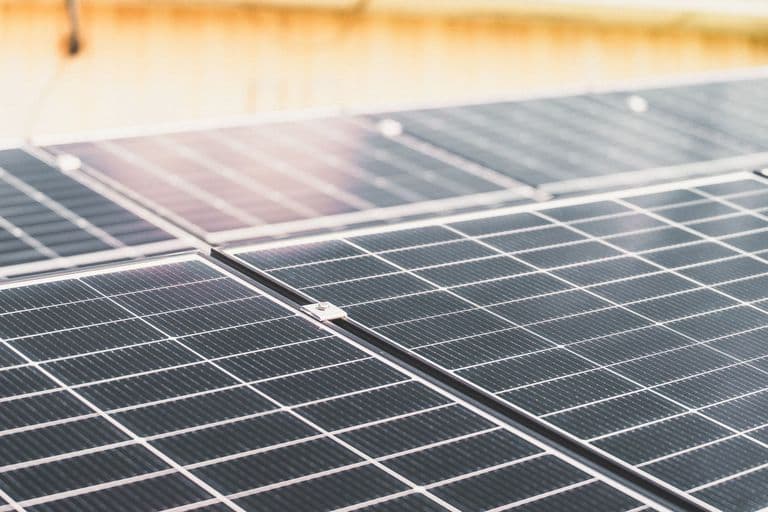
Solar + Heat Pump: When Do They Really Cut Your Bill?
Combining rooftop solar with an air-source heat pump seems like a perfect match, but real savings depend on how well their operating hours overlap. This guide explains the key decision factors for homeowners considering both systems.
Comments
0 commentsBe the first to comment.