
According to the International Energy Agency's latest findings, 2025 marked a watershed moment for global energy: solar power overtook every other energy source in terms of newly installed capacity. This milestone reflects not just a technological shift but a fundamental reshaping of how the world generates electricity.
Global energy demand growth did slow in 2025, yet electricity consumption kept climbing at a strong pace. The electrification of transport, the rapid uptake of heat pumps in residential heating, and the explosive expansion of data centers are among the key drivers pushing electricity demand ever higher across Europe, Asia, and the Americas.
For households and businesses considering solar investments, the IEA's data send a clear signal: solar is now the dominant force in new energy capacity additions globally. Falling costs, improved efficiency, and supportive policy frameworks in the EU and beyond make rooftop and utility-scale solar increasingly attractive. In many European countries, payback periods for residential PV systems have shortened significantly over the past few years.
Looking ahead, the challenge for grid operators and policymakers is not whether solar will grow — it will — but how to integrate ever-larger volumes of variable generation while maintaining grid stability. Battery storage, smart grids, and demand-side flexibility will be critical enablers of the solar-powered future the IEA's data already describe.
Source: IEA: Solar overtakes all energy sources in a major global first - Electrek· Based on source, with AI-assisted rewriting.
Related articles

How Much Do Solar Panels Produce in Winter? Realistic Numbers
Winter output from a rooftop solar system is a fraction of the summer peak: shorter days, a low sun, cloud and snow mean that the four darkest months together typically deliver only around a tenth to a fifth of the annual yield, depending on latitude. This guide sets realistic month-by-month expectations, explains what winter means for self-consumption and your bill, shows how a battery and smart scheduling help, and why you should never size a system for December.

Pre-Season Heat Pump Checklist: What to Check in September
A heat pump does most of its work in the coldest months, but how much electricity it burns doing so is largely decided in September. Here is what homeowners can check themselves, from the outdoor unit to the heating curve, what to leave to a qualified engineer, and how to get the most out of rooftop solar in the autumn months.
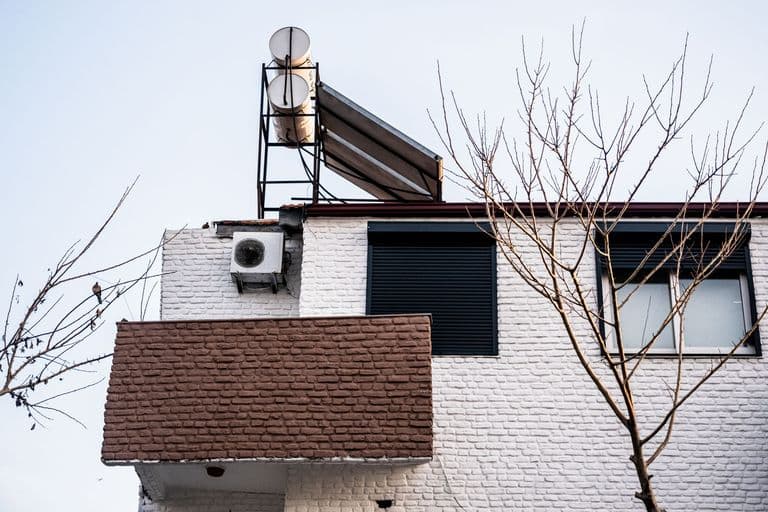
Air conditioning on solar power: what summer cooling really costs in 2026
In a heatwave, air conditioning becomes one of the biggest loads in a household — exactly when solar panels produce the most. We look at what cooling costs with and without solar, how much extra capacity you need, and what to watch for when sizing a system.
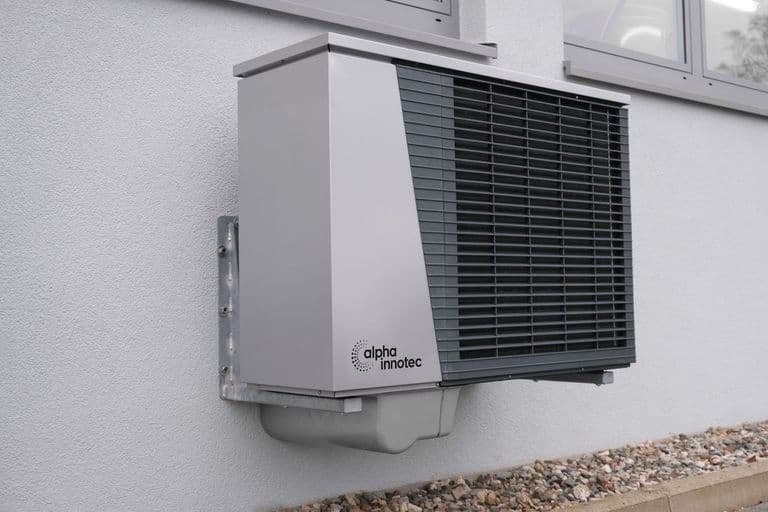
Heat Pump, Solar & H Tariff: How to Plan Together
Combining a heat pump, rooftop solar panels and a preferential electricity tariff can significantly cut household energy bills — but only if you plan all three as one integrated system. This guide walks through the decision logic, common mistakes and key considerations for homeowners.
Comments
0 commentsBe the first to comment.