
Malaysia's solar sector is expanding at a remarkable pace. GlobalData projects the country's installed solar capacity will grow from 5.8 GW at end-2024 to 7.3 GW by end-2025, reaching 29.7 GW by 2035. Annual deployment is expected to rise from 1.9 GW in 2026 to between 2.4 GW and 2.7 GW per year through to 2035. Under this trajectory, Malaysia will cross the 10 GW threshold in 2028 and the 20 GW mark in 2032.
Outpacing national policy targets
GlobalData Power Analyst Sudeshna Sarmah noted that Malaysia's energy investment portfolio has tilted decisively toward renewables since 2020, with capital allocations in solar PV rising by approximately $2.1 billion by 2025. Gas is expected to maintain a supporting role in balancing and peaking capacity, with annual investment hovering between $0.2–0.6 billion through 2030.
What still needs to happen
On the residential side, Malaysia recently launched a home solar rebate scheme offering MYR 600 (~$151) per kWac, up to a maximum of MYR 3,000 per household for a 5 kWac system. Saibasan also pointed to floating solar, agrivoltaics and building-integrated systems as frontiers that could significantly expand Malaysia's deployable solar footprint — lessons that are increasingly relevant for any market aiming to scale solar beyond easy rooftops and open fields.
Source: Malaysia forecast to reach 29.7 GW of solar by 2035 - PV Magazine International· Based on source, with AI-assisted rewriting.
Related articles

How Much Do Solar Panels Produce in Winter? Realistic Numbers
Winter output from a rooftop solar system is a fraction of the summer peak: shorter days, a low sun, cloud and snow mean that the four darkest months together typically deliver only around a tenth to a fifth of the annual yield, depending on latitude. This guide sets realistic month-by-month expectations, explains what winter means for self-consumption and your bill, shows how a battery and smart scheduling help, and why you should never size a system for December.

Pre-Season Heat Pump Checklist: What to Check in September
A heat pump does most of its work in the coldest months, but how much electricity it burns doing so is largely decided in September. Here is what homeowners can check themselves, from the outdoor unit to the heating curve, what to leave to a qualified engineer, and how to get the most out of rooftop solar in the autumn months.
Air conditioning on solar power: what summer cooling really costs in 2026
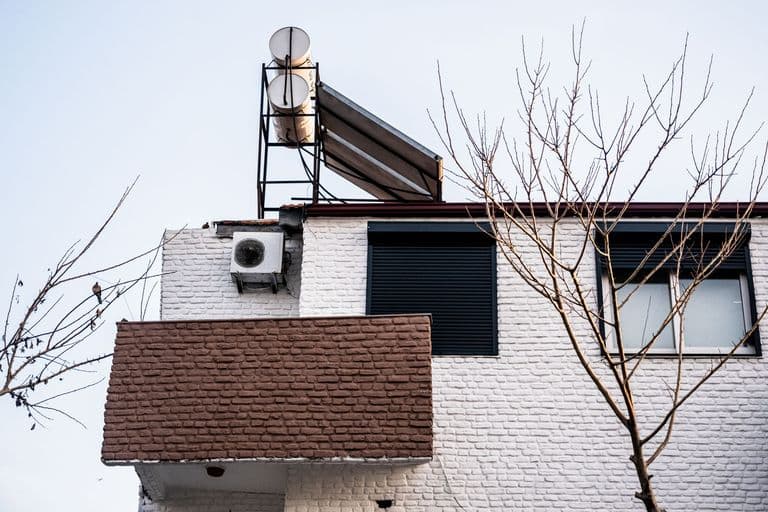
In a heatwave, air conditioning becomes one of the biggest loads in a household — exactly when solar panels produce the most. We look at what cooling costs with and without solar, how much extra capacity you need, and what to watch for when sizing a system.
Heat Pump, Solar & H Tariff: How to Plan Together
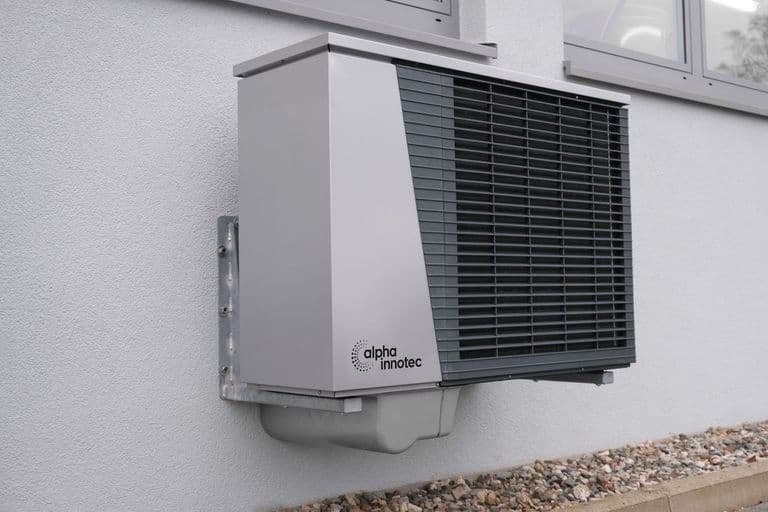
Combining a heat pump, rooftop solar panels and a preferential electricity tariff can significantly cut household energy bills — but only if you plan all three as one integrated system. This guide walks through the decision logic, common mistakes and key considerations for homeowners.
Comments
0 commentsBe the first to comment.