
Massachusetts introduced a dedicated winter electricity rate for homes and buildings heated by heat pumps. According to Canary Media, the program delivered at least $37 million in savings to participating customers during its first heating season — a significant real-world demonstration of demand-flexible pricing.
The rate structure rewards heat-pump owners who shift their electricity consumption to off-peak hours, typically nights and weekends. By doing so, utilities can balance grid load more efficiently, while customers benefit from lower per-kilowatt-hour costs during the cold months when heating demand is highest.
The Massachusetts experiment is closely watched across the US and internationally, as many states and countries struggle to make electrification financially attractive for average households. Critics of heat pumps often cite higher electricity bills as a deterrent; targeted winter rates directly address this concern.
For European policymakers — including those in Germany, Austria, and Spain — the Massachusetts model offers a concrete blueprint. As EU member states push to phase out gas boilers and expand heat-pump adoption, flexible tariff mechanisms could prove as important as subsidies or installation incentives in driving the energy transition forward.
Source: New winter rates saved at least $37M for Massachusetts heat-pump… - Canary Media - Google News — Heat Pump· Based on source, with AI-assisted rewriting.
Related articles

Pre-Season Heat Pump Checklist: What to Check in September
A heat pump does most of its work in the coldest months, but how much electricity it burns doing so is largely decided in September. Here is what homeowners can check themselves, from the outdoor unit to the heating curve, what to leave to a qualified engineer, and how to get the most out of rooftop solar in the autumn months.

Air conditioning on solar power: what summer cooling really costs in 2026
In a heatwave, air conditioning becomes one of the biggest loads in a household — exactly when solar panels produce the most. We look at what cooling costs with and without solar, how much extra capacity you need, and what to watch for when sizing a system.
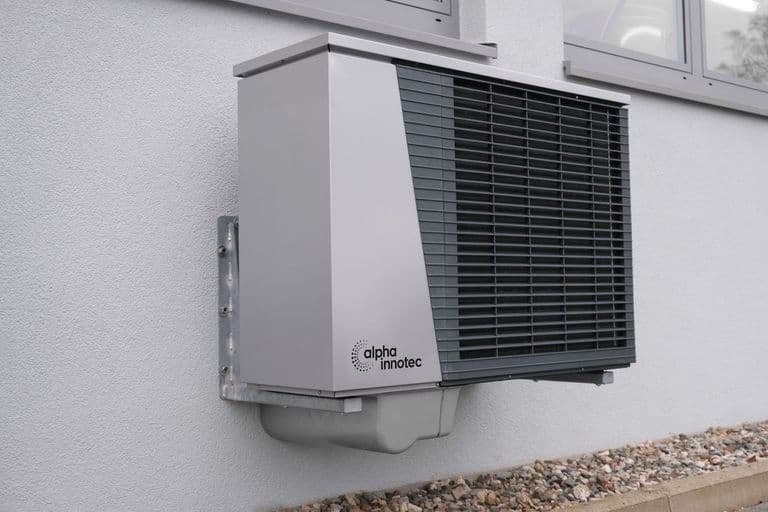
Heat Pump, Solar & H Tariff: How to Plan Together
Combining a heat pump, rooftop solar panels and a preferential electricity tariff can significantly cut household energy bills — but only if you plan all three as one integrated system. This guide walks through the decision logic, common mistakes and key considerations for homeowners.

Solar + Heat Pump: When Do They Really Cut Your Bill?
Combining rooftop solar with an air-source heat pump seems like a perfect match, but real savings depend on how well their operating hours overlap. This guide explains the key decision factors for homeowners considering both systems.
Comments
0 commentsBe the first to comment.