
Mexico's energy regulator CRE confirmed that the country reached 5,164.98 MW of distributed solar power capacity by the end of 2025. The figure comes from 600,368 individual small-scale installations, each below the 0.7 MW threshold. When all sub-0.7 MW systems are counted together, total capacity reaches 5,189.71 MW across 600,651 systems — a clear sign of accelerating rooftop and small-site solar adoption.
Why Distributed Solar Matters for Grids
Unlike utility-scale solar farms, distributed generation puts production close to the point of consumption. This reduces transmission losses, supports self-consumption, and — when paired with battery storage — can ease peak-load pressure on the grid. Mexico's milestone is a real-world demonstration that aggregated small systems can deliver gigawatt-scale capacity without a single large plant.
Lessons for European Markets
For EU households and policymakers, Mexico's trajectory offers a useful reference point. Countries like Germany, Spain, and Hungary are all expanding net-metering and self-consumption frameworks that incentivize exactly this kind of distributed buildout. The key enablers tend to be regulatory clarity, accessible grid connection, and falling hardware costs — all factors currently in flux across Europe.
The trend also underlines the growing link between rooftop solar and battery storage: as more homes generate their own electricity, the economic case for home storage systems strengthens. Combined solar-plus-storage setups are increasingly the default choice for new installations across Latin America and Europe alike.
Source: Mexico Reaches 5 Gigawatts of Distributed Solar Power - CleanTechnica· Based on source, with AI-assisted rewriting.
Related articles

How Much Do Solar Panels Produce in Winter? Realistic Numbers
Winter output from a rooftop solar system is a fraction of the summer peak: shorter days, a low sun, cloud and snow mean that the four darkest months together typically deliver only around a tenth to a fifth of the annual yield, depending on latitude. This guide sets realistic month-by-month expectations, explains what winter means for self-consumption and your bill, shows how a battery and smart scheduling help, and why you should never size a system for December.

Pre-Season Heat Pump Checklist: What to Check in September
A heat pump does most of its work in the coldest months, but how much electricity it burns doing so is largely decided in September. Here is what homeowners can check themselves, from the outdoor unit to the heating curve, what to leave to a qualified engineer, and how to get the most out of rooftop solar in the autumn months.
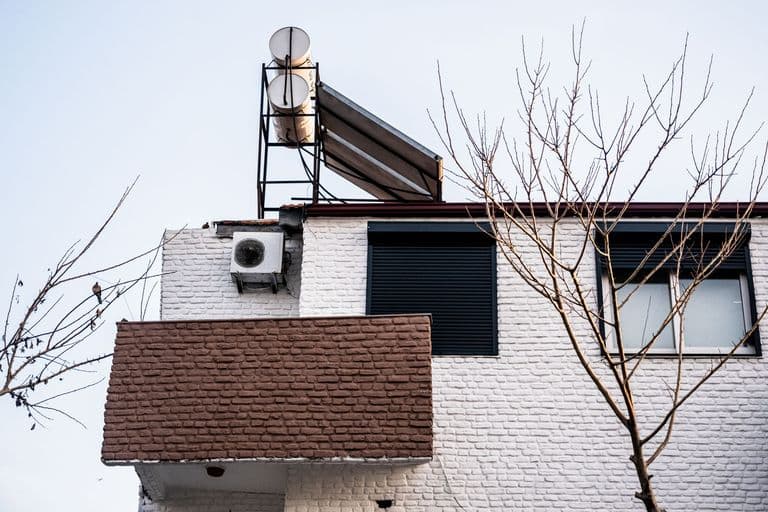
Air conditioning on solar power: what summer cooling really costs in 2026
In a heatwave, air conditioning becomes one of the biggest loads in a household — exactly when solar panels produce the most. We look at what cooling costs with and without solar, how much extra capacity you need, and what to watch for when sizing a system.
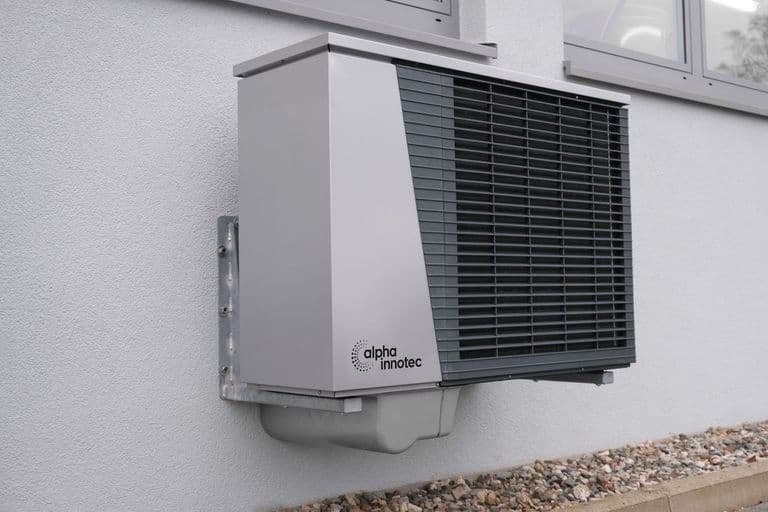
Heat Pump, Solar & H Tariff: How to Plan Together
Combining a heat pump, rooftop solar panels and a preferential electricity tariff can significantly cut household energy bills — but only if you plan all three as one integrated system. This guide walks through the decision logic, common mistakes and key considerations for homeowners.
Comments
0 commentsBe the first to comment.