
Renewable energy developer Sunly and industrial giant Rolls-Royce have announced the largest battery energy storage deal ever signed across the Baltic states, according to Renewable Energy Magazine. The agreement underscores the accelerating demand for grid-scale storage solutions in Northern Europe.
Why Battery Storage Matters in the Baltics
The timing is significant: Estonia, Latvia, and Lithuania are set to disconnect from the Russian-controlled BRELL power ring and synchronize with the Continental European grid in 2025. This transition makes large-scale battery storage critical for maintaining grid stability and balancing the output of wind and solar farms across the region.
Rolls-Royce is likely contributing battery system technology and integration expertise, while Sunly brings its development and operational track record in Baltic and Polish renewable markets. Such high-profile corporate partnerships signal that institutional players see long-term value in energy storage infrastructure — a trend visible across the EU.
What This Means for Grid-Scale Storage
Projects of this scale demonstrate that battery storage is no longer a niche solution but a core component of modern energy systems. For developers and utilities elsewhere in Europe — including Central and Eastern European markets — the Baltic deal sets a new benchmark for ambition and scale in storage procurement.
Source: Sunly and Rolls-Royce Sign Largest Battery Storage Deal Across Baltics - renewableenergymagazine.com - Google News — Energy Storage· Based on source, with AI-assisted rewriting.
Related articles
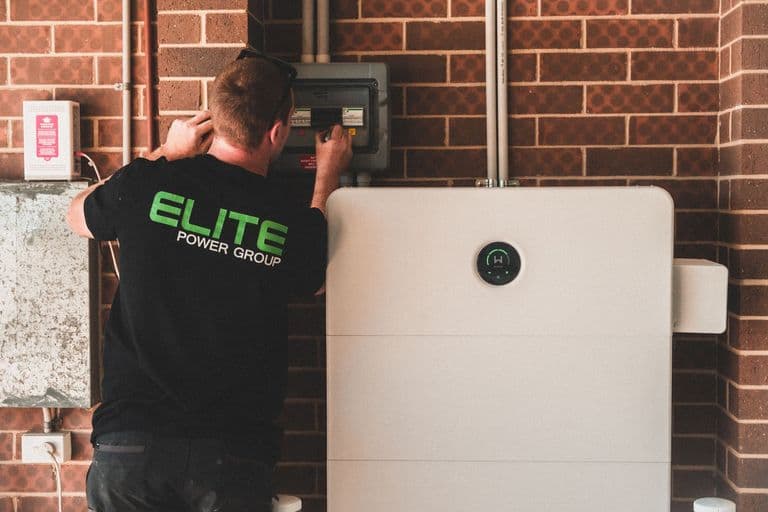
Hungary's OETP: choosing an installer, contract and guarantee
In the verification phase of Hungary's home energy storage subsidy programme, the Otthoni Energiatároló Program (OETP), successful applicants can only proceed with a contractor holding an approved registration and a works contract generated from the application system, and the verification application is due by 16h on 26 February 2027. This explainer sets out what the contractor and bank guarantee guides published by the Nemzeti Energetikai Ügynökség (NEÜ) on 27 October 2026 say: who gives a guarantee to whom for the advance payment, what to check in the quote and the contract, and which red flags to watch for.
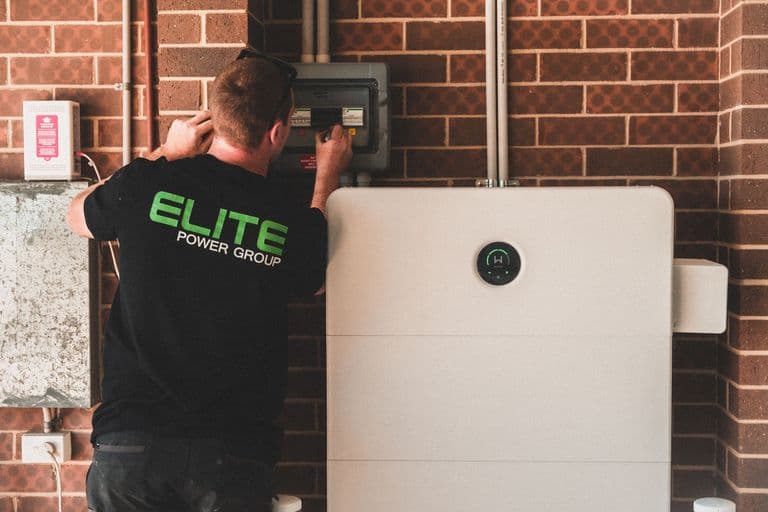
Hungary's OETP: phase 2 on hold, 15,000 more may get support
The second phase of Hungary's Otthoni Energiatároló Program (OETP), a subsidy scheme for home battery storage, was suspended on 16 March 2026, before it had even opened, and the suspension was still in force at the end of October, when this article was written. Of the roughly 132,000 applications in the first phase, about 42,000 won, and in September it was announced that around 15,000 more applicants could receive support. We explain what this means for those waiting for the supplementary round and for those left out, what is known about the announced new calls, and what to watch out for if you are considering a self-financed battery.
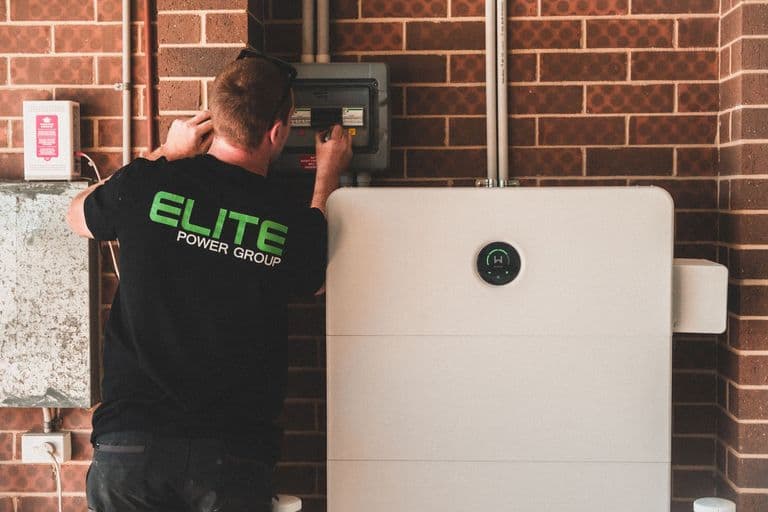
Hungary's OETP storage grants: what to do by 26 February 2027
Since 12 October 2026, applicants with passed status in Hungary's Otthoni Energiatároló Program (OETP), a home energy storage subsidy scheme, have been able to file their verification requests, with a deadline of 16:00 on 26 February 2027. The request must include the required documents and a works contract generated in the application system and signed with the installer. We explain what to upload, who handles which step, how a project reaches payment, and how to avoid missing the deadline.

How Much Do Solar Panels Produce in Winter? Realistic Numbers
Winter output from a rooftop solar system is a fraction of the summer peak: shorter days, a low sun, cloud and snow mean that the four darkest months together typically deliver only around a tenth to a fifth of the annual yield, depending on latitude. This guide sets realistic month-by-month expectations, explains what winter means for self-consumption and your bill, shows how a battery and smart scheduling help, and why you should never size a system for December.
Comments
0 commentsBe the first to comment.