
Workhorse Group, an American electric vehicle manufacturer specializing in last-mile delivery solutions, has announced a new order for 100 electric vans. The deal is notable not only for its scale but also because it is linked to a model specifically engineered to simplify the day-to-day management of electric fleets, addressing one of the key adoption barriers for commercial operators.
The company claims that switching to its electric vans can slash operating costs by as much as 65% compared to traditional internal combustion engine vehicles. This figure encompasses fuel savings, reduced maintenance requirements, and lower total cost of ownership over the vehicle's lifetime — a compelling proposition at a time when logistics companies face intense pressure to cut expenses and meet sustainability targets.
The commercial electric vehicle space is becoming increasingly competitive globally, with players like Rivian (supplying Amazon), Ford, and various European manufacturers all vying for fleet contracts. Workhorse is positioning itself as a leaner, purpose-built alternative, particularly for operators running fixed urban and suburban delivery routes where range anxiety is less of a concern.
This 100-van order will serve as a real-world test case for Workhorse's cost-cutting claims. If the operational data backs up the 65% figure, it could significantly accelerate adoption of electric fleets across North America and beyond, reinforcing the broader trend of electrification in commercial transport.
Source: A 65% cost cut? This 100-electric van rollout is ready to prove it - Electrek· Based on source, with AI-assisted rewriting.
Related articles
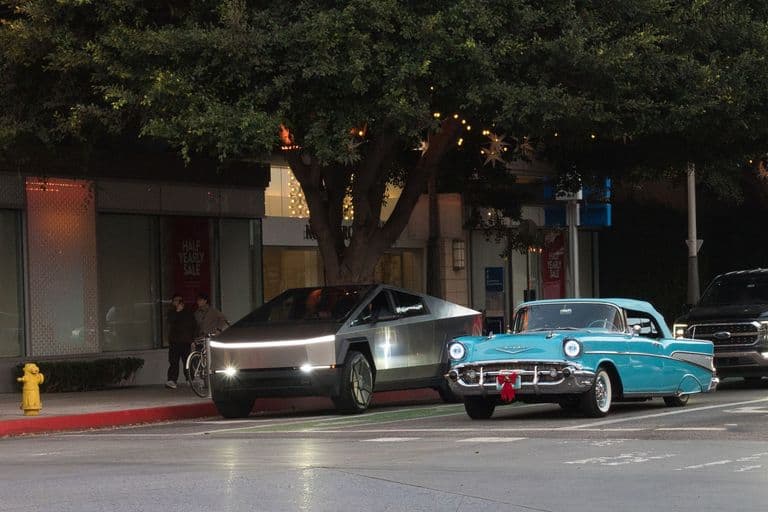
Tesla to wind down Cybertruck production in 2027 for Cybercab
Elon Musk announced on November 6, 2026 that Tesla will wind down Cybertruck production at its Texas Gigafactory around mid-2027, saying the move will free up room for expanded Cybercab production. Sales of the electric pickup have fallen far short of the planned 250,000 a year, while the Cybercab, a robotaxi with no steering wheel or pedals, has been carrying passengers in Austin since September as US safety regulator NHTSA reviews its certification.

GM bets on sodium-ion storage and V2G at home
At its June 2026 Empower event in San Francisco, GM announced US-developed sodium-ion grid-scale battery storage and software-enabled V2G for existing EV owners — two moves that could reshape how homes and grids store renewable energy.

150 Power Plants: The Hidden Grid Cost of Weakening EU EV Targets
Scaling back the EU's electric vehicle targets could force Europe to build the equivalent of 150 new power plants just to keep the electricity grid balanced. EVs aren't just cars — as mobile battery storage, they are a critical and low-cost tool for integrating solar and wind energy into the grid.

Electric Commuter Bikes: What to Look for in an E-Bike
Electric bikes are becoming a serious option for daily urban commuting across Europe. The right e-bike offers programmable assist levels, a reliable battery, and enough versatility to handle varied terrain.
Comments
0 commentsBe the first to comment.