
The numbers in international energy databases tell only part of the story. Official records track large, grid-connected solar parks announced by governments — but a parallel, largely invisible wave of commercial rooftop and off-grid PV installations is unfolding across Africa. According to an analysis by the African Solar Industry Association (AfSIA) based on Chinese module export data, the actual solar capacity installed or ready for installation in Africa in 2025 likely exceeded 16 GW — nearly four times the officially registered 3.5–3.8 GW. There is little evidence of significant stockpiling, suggesting the panels are genuinely being put to use.
Why solar is winning against diesel, not the grid
China's role and the spread beyond South Africa
The rapid growth of distributed solar raises serious questions for state-owned utilities, many of which are already financially fragile. Tariffs are often held artificially low, infrastructure investment is inadequate, and technical losses are high. As the most creditworthy customers — businesses and wealthier households — build their own solar supply, utilities face an accelerating revenue squeeze. This risks a self-reinforcing cycle: weaker grid finances lead to worse service, which makes off-grid solar even more attractive. However, framing this purely as a utility problem risks missing the bigger picture: access to reliable, affordable energy has long been a bottleneck for economic development across Africa, and distributed solar plus storage is now removing that barrier faster than any grid expansion programme could.
For international solar investors, technology providers and policymakers, the African market is signalling something important: where solar and battery storage deliver a compelling return without subsidies, deployment accelerates far beyond what official statistics capture. The authors of the underlying analysis, including Toby Couture, founder and CEO of E3 Analytics, argue that the decisive question is no longer whether solar will scale massively in Africa — it already is. The question is how fast regulatory, financial and infrastructure systems can adapt to a new energy reality that is already happening on the ground.
Source: Afrika: Eine stille Photovoltaik-Revolution mit globaler Bedeutung - PV Magazine Deutschland· Based on source, with AI-assisted rewriting.
Related articles
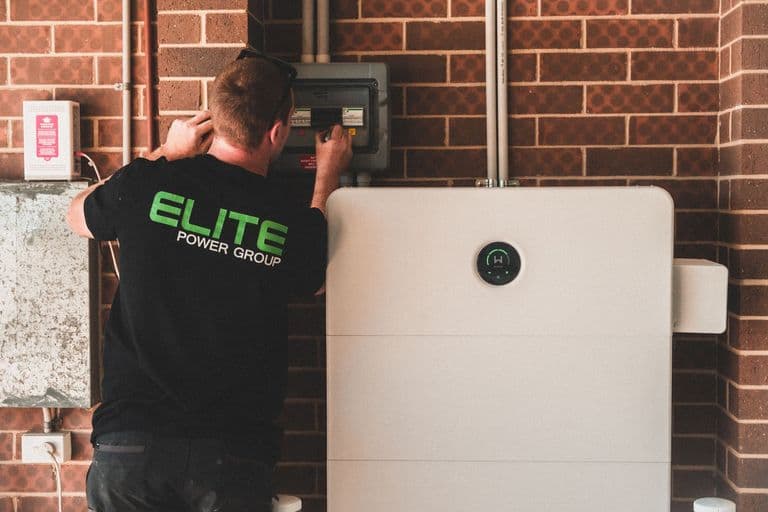
Hungary's OETP: choosing an installer, contract and guarantee
In the verification phase of Hungary's home energy storage subsidy programme, the Otthoni Energiatároló Program (OETP), successful applicants can only proceed with a contractor holding an approved registration and a works contract generated from the application system, and the verification application is due by 16h on 26 February 2027. This explainer sets out what the contractor and bank guarantee guides published by the Nemzeti Energetikai Ügynökség (NEÜ) on 27 October 2026 say: who gives a guarantee to whom for the advance payment, what to check in the quote and the contract, and which red flags to watch for.

Hungary 2027: Wekerle+ loans, renovation aid and home savings
Hungary's Wekerle+ home loan launched on 28 October 2026, and 2027 will bring a subsidised energy renovation loan for family houses and the return of state support for home savings accounts. This explainer sets out what each scheme is for, how a renovation can be financed from grant, loan, own funds and savings, and what to watch out for when borrowing.
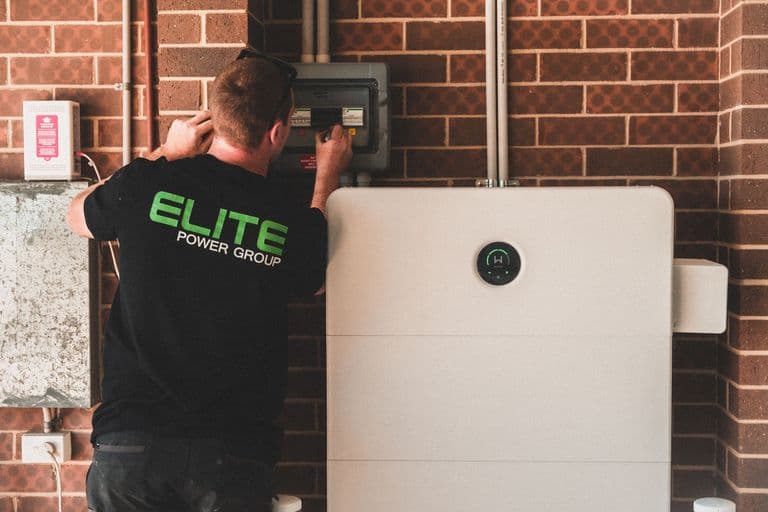
Hungary's OETP: phase 2 on hold, 15,000 more may get support
The second phase of Hungary's Otthoni Energiatároló Program (OETP), a subsidy scheme for home battery storage, was suspended on 16 March 2026, before it had even opened, and the suspension was still in force at the end of October, when this article was written. Of the roughly 132,000 applications in the first phase, about 42,000 won, and in September it was announced that around 15,000 more applicants could receive support. We explain what this means for those waiting for the supplementary round and for those left out, what is known about the announced new calls, and what to watch out for if you are considering a self-financed battery.
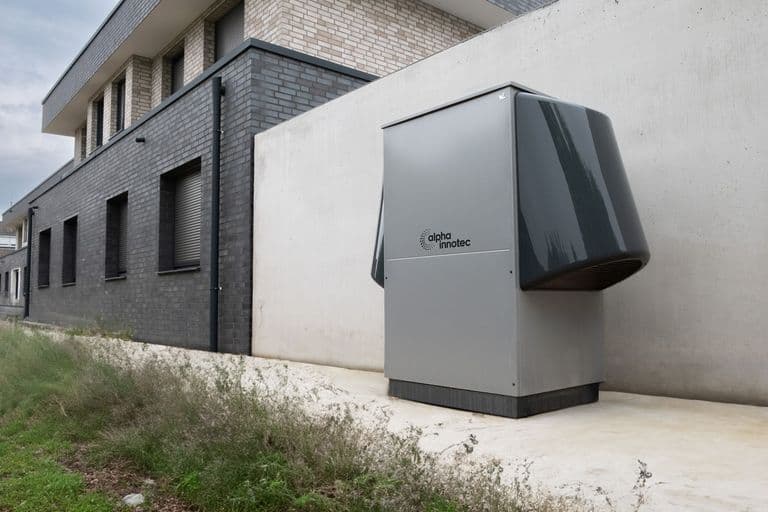
Wekerle Plusz 2027: insulation, heat pump or solar first?
Under the new Wekerle Plusz renovation scheme in Hungary, the non-repayable part of the support requires a primary energy saving of at least 30 percent, verified by comparing the energy performance certificates issued before and after the works, so the package is best planned for the whole building. We outline the usual professional sequence from insulation through the heat pump to solar panels, the still unclear cap on solar, and what the final call for applications has yet to clarify.
Comments
0 commentsBe the first to comment.