
Interest in residential solar and battery storage systems has grown steadily across Europe, and for good reason: rising electricity prices have made self-consumption an increasingly attractive proposition. However, the actual savings a household can achieve depend on a wide range of variables — from roof orientation and available surface area to daily consumption habits and local grid tariffs. There is no one-size-fits-all answer, but understanding the key drivers helps set realistic expectations.
How Self-Consumption Actually Works
The share of solar energy that can be self-consumed — the so-called self-sufficiency ratio — varies considerably. A well-sized system paired with a battery can typically cover 60–80% of a household's annual electricity needs, though this figure depends heavily on system capacity, household size, and local climate. Households that shift flexible loads (washing machines, dishwashers, EV charging) to solar peak hours can further increase self-consumption even without a battery.
What About Payback Period?
Ultimately, solar and battery storage is a sound long-term investment for households with suitable roofs and sufficient electricity consumption. The key to maximising returns lies in accurate system sizing, active energy management, and realistic financial modelling. Before committing, an independent energy audit and consultation with a certified installer are strongly recommended.
Related articles
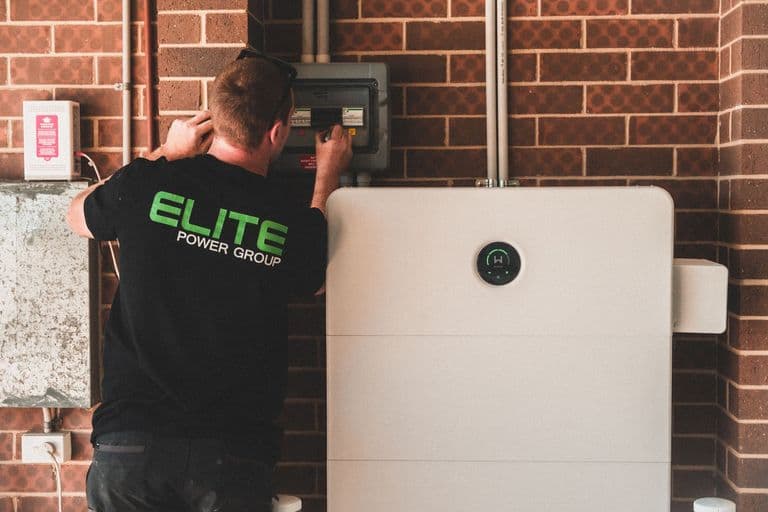
Hungary's OETP: choosing an installer, contract and guarantee
In the verification phase of Hungary's home energy storage subsidy programme, the Otthoni Energiatároló Program (OETP), successful applicants can only proceed with a contractor holding an approved registration and a works contract generated from the application system, and the verification application is due by 16h on 26 February 2027. This explainer sets out what the contractor and bank guarantee guides published by the Nemzeti Energetikai Ügynökség (NEÜ) on 27 October 2026 say: who gives a guarantee to whom for the advance payment, what to check in the quote and the contract, and which red flags to watch for.

Hungary 2027: Wekerle+ loans, renovation aid and home savings
Hungary's Wekerle+ home loan launched on 28 October 2026, and 2027 will bring a subsidised energy renovation loan for family houses and the return of state support for home savings accounts. This explainer sets out what each scheme is for, how a renovation can be financed from grant, loan, own funds and savings, and what to watch out for when borrowing.
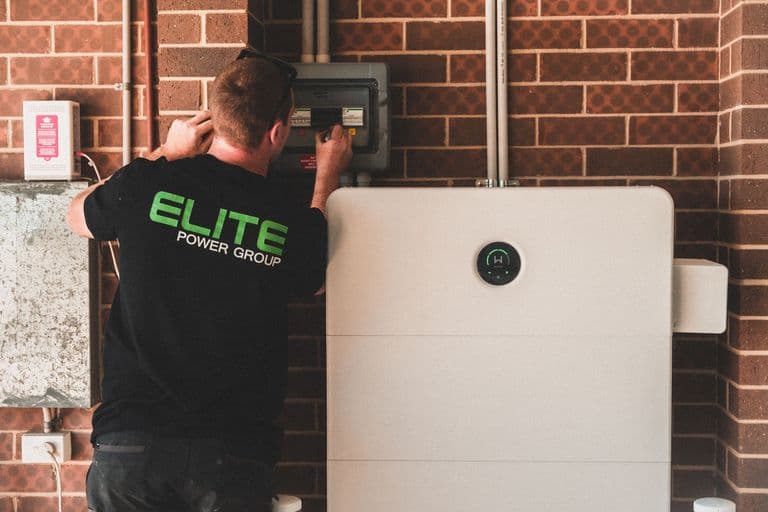
Hungary's OETP: phase 2 on hold, 15,000 more may get support
The second phase of Hungary's Otthoni Energiatároló Program (OETP), a subsidy scheme for home battery storage, was suspended on 16 March 2026, before it had even opened, and the suspension was still in force at the end of October, when this article was written. Of the roughly 132,000 applications in the first phase, about 42,000 won, and in September it was announced that around 15,000 more applicants could receive support. We explain what this means for those waiting for the supplementary round and for those left out, what is known about the announced new calls, and what to watch out for if you are considering a self-financed battery.
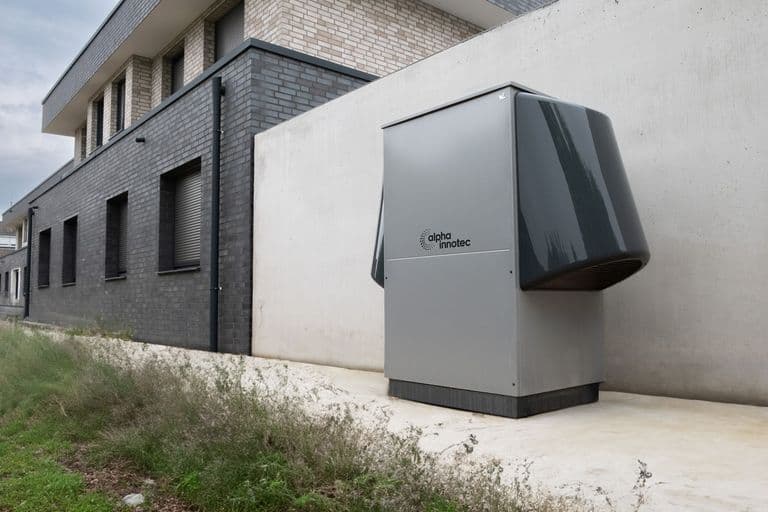
Wekerle Plusz 2027: insulation, heat pump or solar first?
Under the new Wekerle Plusz renovation scheme in Hungary, the non-repayable part of the support requires a primary energy saving of at least 30 percent, verified by comparing the energy performance certificates issued before and after the works, so the package is best planned for the whole building. We outline the usual professional sequence from insulation through the heat pump to solar panels, the still unclear cap on solar, and what the final call for applications has yet to clarify.
Comments
0 commentsBe the first to comment.