
Why Shade Is a Bigger Problem Than It Looks
In a conventional string solar system, panels are connected in series. When even one panel — or just part of one — falls into shadow, it acts like a bottleneck for the entire string. Depending on system design and inverter type, a single shaded panel can reduce the output of the whole row by 20–40%. This is why chimneys, neighboring rooftops, trees, and dormer windows can have a disproportionately large impact on annual yield.
Modern bypass diodes inside panels offer partial protection, but they don't fully solve the problem. For meaningful improvement in shading conditions, the solution needs to work at the panel level — which is exactly what power optimizers and microinverters do.
Three Technologies, Three Trade-offs
A **standard string inverter** remains the most cost-effective option when shading is genuinely not an issue. If your roof has a clean south or south-west facing surface with no obstacles, a quality string inverter is the right choice and doesn't need to be replaced by something more complex. In Central European markets like Hungary, string inverters still dominate residential installations for this reason.
**Power optimizers** attach to each individual panel and perform maximum power point tracking (MPPT) at panel level, before sending optimized DC current to a compatible central inverter. The most widely known system is SolarEdge, though other manufacturers offer similar solutions. Optimizers decouple each panel's performance, so a shaded panel no longer pulls down its neighbors. They also enable panel-level monitoring, which helps diagnose underperformance early. The trade-off is a higher upfront cost and an additional electronic component per panel.
**Microinverters** take this a step further: each panel gets its own small inverter mounted directly behind it, converting DC to AC right at the panel. There is no string effect at all. Enphase is the dominant brand globally. Microinverter systems are the most flexible — easy to expand, fully modular, and resilient to single-unit failure. However, they are typically the most expensive option, and servicing electronics mounted on a hot roof adds complexity over a system's 25-year lifespan.
When Does the Extra Investment Pay Off?
The decision depends on shading severity, roof geometry, and budget. As a practical rule of thumb, if shading is expected to reduce annual yield by more than roughly 10–15%, the additional cost of optimizers or microinverters is likely to pay back within the system's lifetime. For roofs with multiple orientations — for example, east and west-facing panels — panel-level optimization is almost always worthwhile.
The most reliable way to assess this is through a software simulation using tools like PVsyst or PVWatts, which any serious installer should be able to provide. Avoid installers who assess shading by eye alone without any simulation, as even well-intentioned guesses can significantly over- or under-estimate shading losses.
Practical Checklist Before Deciding
Before committing to a technology, ask your installer for a shading analysis report — ideally one produced with dedicated tools such as a Solmetric SunEye or drone imagery. Also check whether the optimizer or microinverter brand you are considering has a strong local service presence, since warranty claims for panel-level electronics can be more complex than for a single central inverter. Finally, confirm that whichever inverter technology you choose is compatible with your country's grid connection requirements, as AC output characteristics and anti-islanding settings may vary.
For households considering battery storage alongside their solar system, it is also worth noting that some optimizers and microinverter platforms integrate more easily with specific battery brands — so if storage is in your future plans, factor inverter compatibility into the decision now rather than later.
Related articles

How Much Do Solar Panels Produce in Winter? Realistic Numbers
Winter output from a rooftop solar system is a fraction of the summer peak: shorter days, a low sun, cloud and snow mean that the four darkest months together typically deliver only around a tenth to a fifth of the annual yield, depending on latitude. This guide sets realistic month-by-month expectations, explains what winter means for self-consumption and your bill, shows how a battery and smart scheduling help, and why you should never size a system for December.

Pre-Season Heat Pump Checklist: What to Check in September
A heat pump does most of its work in the coldest months, but how much electricity it burns doing so is largely decided in September. Here is what homeowners can check themselves, from the outdoor unit to the heating curve, what to leave to a qualified engineer, and how to get the most out of rooftop solar in the autumn months.
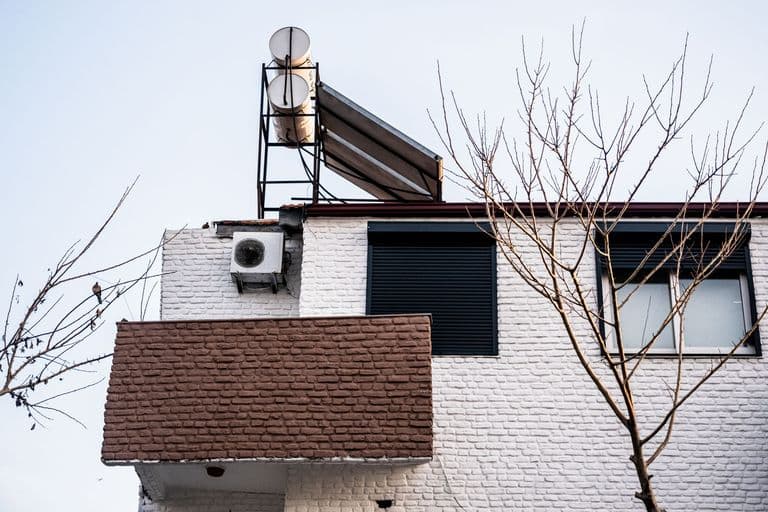
Air conditioning on solar power: what summer cooling really costs in 2026
In a heatwave, air conditioning becomes one of the biggest loads in a household — exactly when solar panels produce the most. We look at what cooling costs with and without solar, how much extra capacity you need, and what to watch for when sizing a system.
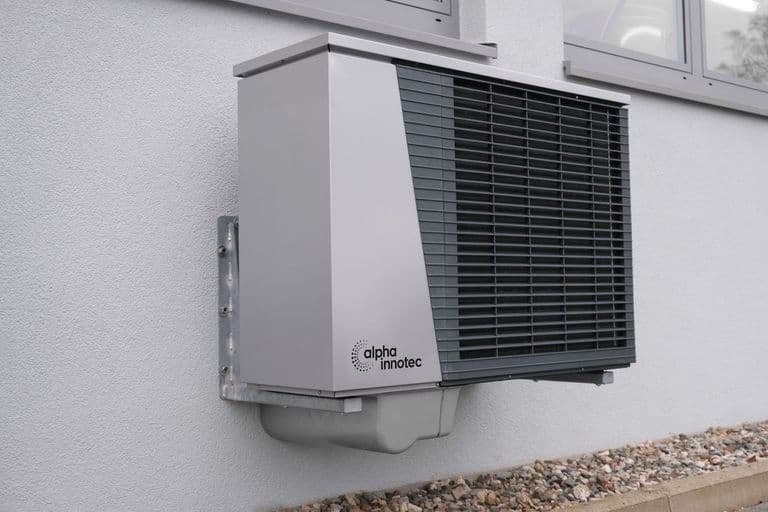
Heat Pump, Solar & H Tariff: How to Plan Together
Combining a heat pump, rooftop solar panels and a preferential electricity tariff can significantly cut household energy bills — but only if you plan all three as one integrated system. This guide walks through the decision logic, common mistakes and key considerations for homeowners.
Comments
0 commentsBe the first to comment.