
Heat pump installations are accelerating across the EU as governments push to phase out fossil fuel heating. Yet according to analysis published by ACHR News, a significant share of heating and cooling contractors still lack the hands-on expertise needed to install and commission heat pumps correctly — creating a gap between market demand and real-world delivery.
Why the skills gap matters for homeowners
Unlike a gas boiler, a heat pump operates at lower flow temperatures over longer run cycles and demands precise system design: accurate heat loss calculations, correct hydraulic balancing, and proper refrigerant handling. When these steps are skipped or poorly executed, the result is an underperforming system that consumes more electricity than necessary and leaves homeowners disappointed — undermining confidence in the technology overall.
What the industry needs to do
The solution identified by industry experts is structured, practical retraining — moving existing HVAC professionals from theoretical familiarity with heat pumps to genuine hands-on competence. Several EU member states are already developing certification pathways tied to subsidy eligibility, meaning only qualified installers can access renovation grant schemes. This creates a direct market incentive to upskill.
For homeowners considering a heat pump, the practical takeaway is clear: always ask for a documented heat loss calculation before any installation begins, and verify that the contractor holds relevant heat pump certification. A correctly sized and commissioned system can cut heating costs significantly; a poorly installed one can erase those savings entirely.
Source: Heat Pump Hype to Hands-On Reality: The HVAC Skills Gap Contractors Can’t Ignore - ACHR News - Google News — Heat Pump· Based on source, with AI-assisted rewriting.
Related articles

Pre-Season Heat Pump Checklist: What to Check in September
A heat pump does most of its work in the coldest months, but how much electricity it burns doing so is largely decided in September. Here is what homeowners can check themselves, from the outdoor unit to the heating curve, what to leave to a qualified engineer, and how to get the most out of rooftop solar in the autumn months.

Air conditioning on solar power: what summer cooling really costs in 2026
In a heatwave, air conditioning becomes one of the biggest loads in a household — exactly when solar panels produce the most. We look at what cooling costs with and without solar, how much extra capacity you need, and what to watch for when sizing a system.
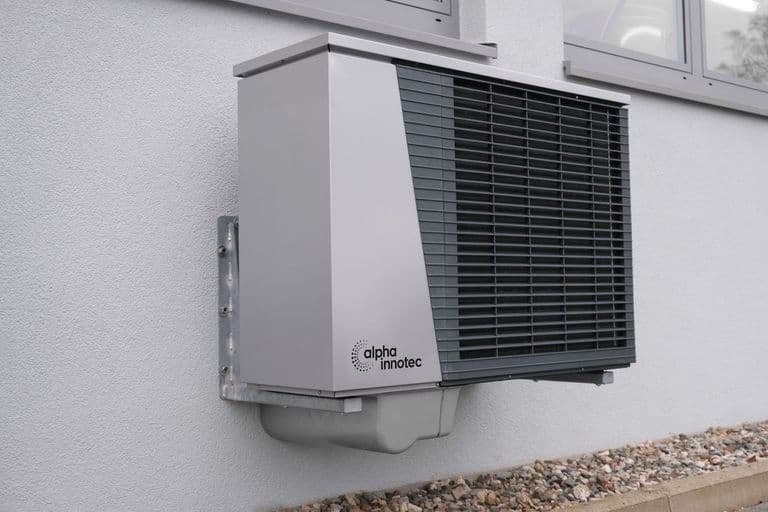
Heat Pump, Solar & H Tariff: How to Plan Together
Combining a heat pump, rooftop solar panels and a preferential electricity tariff can significantly cut household energy bills — but only if you plan all three as one integrated system. This guide walks through the decision logic, common mistakes and key considerations for homeowners.
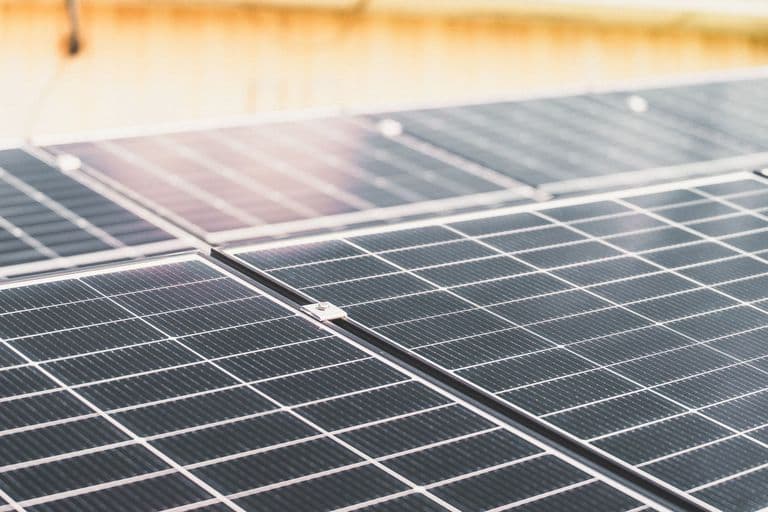
Solar + Heat Pump: When Do They Really Cut Your Bill?
Combining rooftop solar with an air-source heat pump seems like a perfect match, but real savings depend on how well their operating hours overlap. This guide explains the key decision factors for homeowners considering both systems.
Comments
0 commentsBe the first to comment.