
Norway's SINTEF research institute has published a comprehensive assessment of solar PV potential in Longyearbyen, the administrative center of the Svalbard archipelago located at roughly 78°N latitude. The study combines solar resource analysis, PV performance simulation, local case studies, and system-level integration considerations — making it one of the most detailed examinations of Arctic photovoltaics to date.
How does Arctic solar compare to central Europe?
Local installations confirm the theoretical potential. The Elvesletta Syd building-integrated PV (BIPV) system — rated between 13.77 and 14.04 kW — achieved a specific yield of 621 kWh/kW, while the 137 kW system at Svalbard Airport recorded 500 kWh/kW. Design choices matter enormously in Arctic conditions: tilt angle, azimuth, snow management, and bifacial modules all have a measurable impact. South-facing fixed systems at a 45° tilt performed best among fixed mono-facial configurations, though single-axis tracking can improve the capacity factor substantially — at the cost of higher mechanical stress and maintenance.
PV as part of an integrated renewable system
The research, published in the journal Renewable Energy, has implications well beyond Svalbard. Any remote or high-latitude community — from mountain villages to Arctic industrial sites — can draw lessons from this work. The next phase planned by the SINTEF team involves detailed techno-economic modeling and real-world validation of PV performance under snow, icing, and extreme cold, with a particular focus on quantifying snow-related losses and bifacial gains.
Source: Solar PV potential at one of the world’s northernmost settlements - PV Magazine International· Based on source, with AI-assisted rewriting.
Related articles
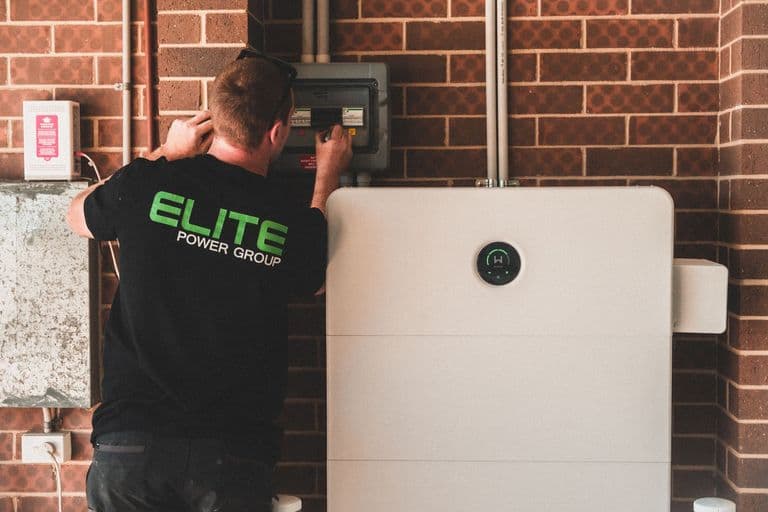
Hungary's OETP: choosing an installer, contract and guarantee
In the verification phase of Hungary's home energy storage subsidy programme, the Otthoni Energiatároló Program (OETP), successful applicants can only proceed with a contractor holding an approved registration and a works contract generated from the application system, and the verification application is due by 16h on 26 February 2027. This explainer sets out what the contractor and bank guarantee guides published by the Nemzeti Energetikai Ügynökség (NEÜ) on 27 October 2026 say: who gives a guarantee to whom for the advance payment, what to check in the quote and the contract, and which red flags to watch for.

Hungary 2027: Wekerle+ loans, renovation aid and home savings
Hungary's Wekerle+ home loan launched on 28 October 2026, and 2027 will bring a subsidised energy renovation loan for family houses and the return of state support for home savings accounts. This explainer sets out what each scheme is for, how a renovation can be financed from grant, loan, own funds and savings, and what to watch out for when borrowing.
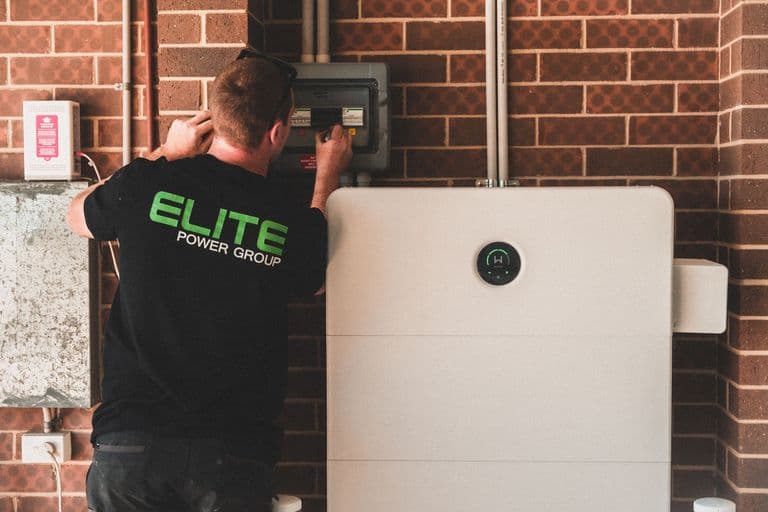
Hungary's OETP: phase 2 on hold, 15,000 more may get support
The second phase of Hungary's Otthoni Energiatároló Program (OETP), a subsidy scheme for home battery storage, was suspended on 16 March 2026, before it had even opened, and the suspension was still in force at the end of October, when this article was written. Of the roughly 132,000 applications in the first phase, about 42,000 won, and in September it was announced that around 15,000 more applicants could receive support. We explain what this means for those waiting for the supplementary round and for those left out, what is known about the announced new calls, and what to watch out for if you are considering a self-financed battery.
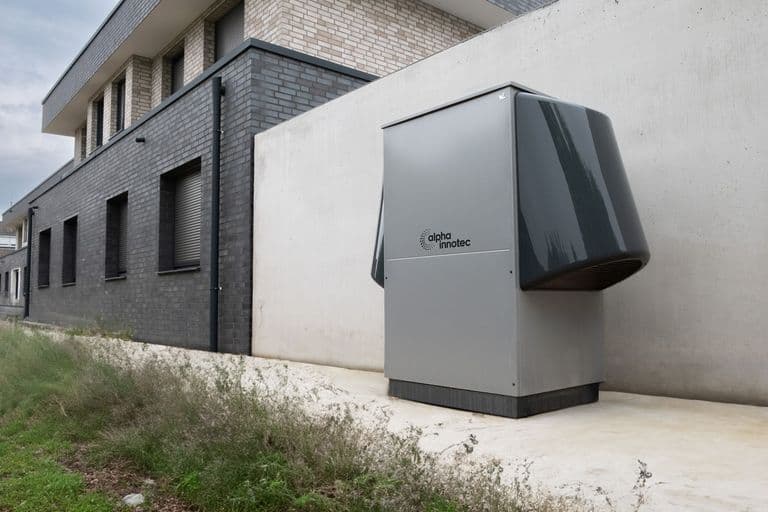
Wekerle Plusz 2027: insulation, heat pump or solar first?
Under the new Wekerle Plusz renovation scheme in Hungary, the non-repayable part of the support requires a primary energy saving of at least 30 percent, verified by comparing the energy performance certificates issued before and after the works, so the package is best planned for the whole building. We outline the usual professional sequence from insulation through the heat pump to solar panels, the still unclear cap on solar, and what the final call for applications has yet to clarify.
Comments
0 commentsBe the first to comment.