
The Australian government is funding a vehicle-to-grid (V2G) pilot program involving 1,000 electric vehicles. The concept is straightforward but powerful: instead of simply drawing power from the grid, participating EVs can push electricity back into the network during peak demand periods. If scaled up, a large EV fleet could function as a massive, decentralized energy storage system — with batteries already deployed on roads across the country.
How Does This Compare to Snowy 2.0?
The BYD Atto 3 Problem
For the broader EV market, this highlights a growing tension: as governments and grid operators increasingly look to EV batteries as a flexibility resource, car manufacturers need to step up with compatible hardware and software. Without wider V2G adoption across brands, programs like Australia's pilot will remain niche experiments rather than meaningful grid solutions. The results expected in 2026–2027 could influence policy across the EU and beyond.
Source: Batteries on wheels: V2G could be twice the capacity of Snowy 2.0, but it needs more than BYD Atto 3 - The Driven· Based on source, with AI-assisted rewriting.
Related articles

How Much Do Solar Panels Produce in Winter? Realistic Numbers
Winter output from a rooftop solar system is a fraction of the summer peak: shorter days, a low sun, cloud and snow mean that the four darkest months together typically deliver only around a tenth to a fifth of the annual yield, depending on latitude. This guide sets realistic month-by-month expectations, explains what winter means for self-consumption and your bill, shows how a battery and smart scheduling help, and why you should never size a system for December.
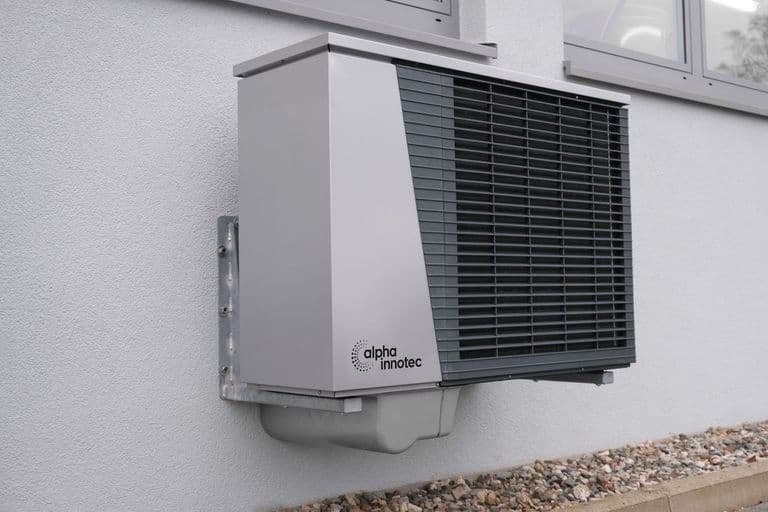
Heat Pump, Solar & H Tariff: How to Plan Together
Combining a heat pump, rooftop solar panels and a preferential electricity tariff can significantly cut household energy bills — but only if you plan all three as one integrated system. This guide walks through the decision logic, common mistakes and key considerations for homeowners.
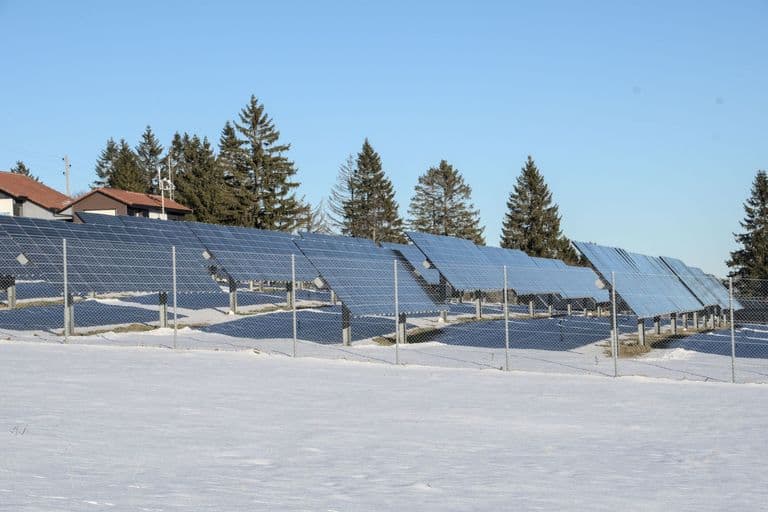
Solar PV in the Arctic: Svalbard's surprising potential
Researchers at Norway's SINTEF have found that solar PV in Longyearbyen, one of the world's northernmost inhabited settlements, can achieve capacity factors comparable to central European cities during summer. The study shows that PV, combined with wind and storage, could play a pivotal role in the Arctic energy transition.
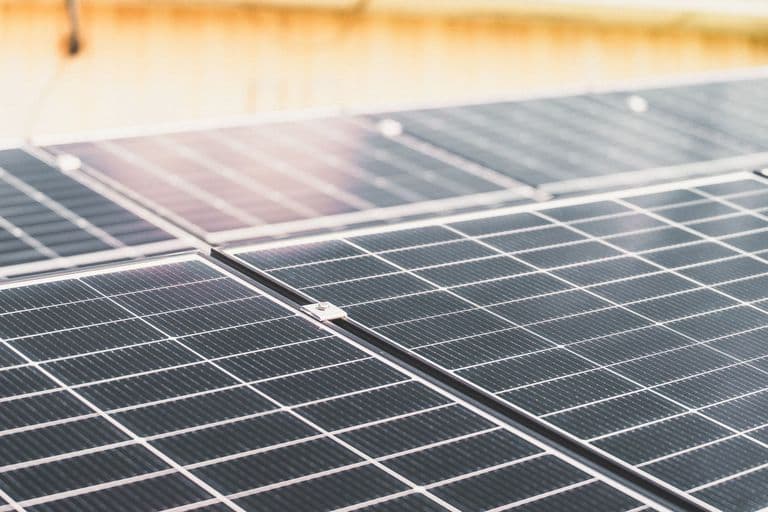
Solar + Heat Pump: When Do They Really Cut Your Bill?
Combining rooftop solar with an air-source heat pump seems like a perfect match, but real savings depend on how well their operating hours overlap. This guide explains the key decision factors for homeowners considering both systems.
Comments
0 commentsBe the first to comment.