
The Netherlands is grappling with one of Europe's most acute electricity distribution crises. Liander and Enexis — the country's two largest distribution system operators (DSOs) — have publicly asked consumers and renewable energy producers to adapt their behaviour. According to Liander, approximately 7,300 customers are waiting longer than expected to upgrade from a small-consumer connection to a more powerful one, directly blocking those wanting to install heat pumps or EV charging stations.
What are grid operators asking solar owners to do?
In 2025, Enexis invested a record €1.9 billion in new grid infrastructure, unlocking 542 MW of additional flexible capacity — equivalent, according to van der Leeuw, to the annual electricity consumption of a city the size of Eindhoven. The expansion included flexibility contracts, congestion management tools, and pilot projects for centrally controlling hybrid heat pumps, which reduced evening peak loads by 10–25%.
New rules from July 2026
The Dutch situation is a preview of challenges other densely solar-equipped European countries — including Germany, Spain, and Belgium — may soon face. For solar and heat pump owners across Europe, the takeaway is clear: smart self-consumption, overnight EV charging, and flexible feed-in are no longer optional extras but increasingly central to how distributed energy systems will function.
Source: Niederländische Photovoltaik-Betreiber sollen zu Spitzenzeiten ihre Anlagen abschalten - PV Magazine Deutschland· Based on source, with AI-assisted rewriting.
Related articles
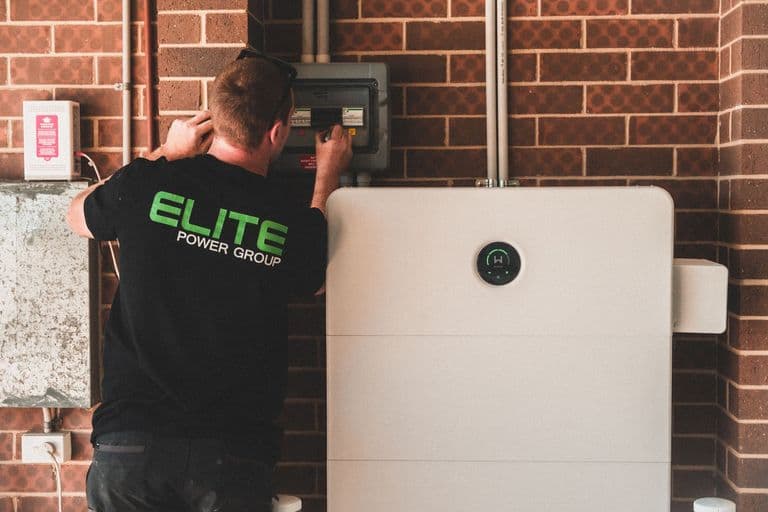
Hungary's OETP: choosing an installer, contract and guarantee
In the verification phase of Hungary's home energy storage subsidy programme, the Otthoni Energiatároló Program (OETP), successful applicants can only proceed with a contractor holding an approved registration and a works contract generated from the application system, and the verification application is due by 16h on 26 February 2027. This explainer sets out what the contractor and bank guarantee guides published by the Nemzeti Energetikai Ügynökség (NEÜ) on 27 October 2026 say: who gives a guarantee to whom for the advance payment, what to check in the quote and the contract, and which red flags to watch for.

Hungary 2027: Wekerle+ loans, renovation aid and home savings
Hungary's Wekerle+ home loan launched on 28 October 2026, and 2027 will bring a subsidised energy renovation loan for family houses and the return of state support for home savings accounts. This explainer sets out what each scheme is for, how a renovation can be financed from grant, loan, own funds and savings, and what to watch out for when borrowing.
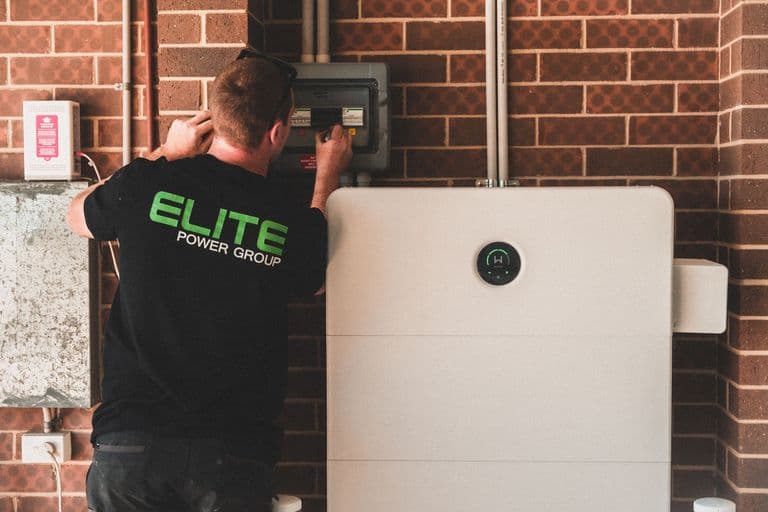
Hungary's OETP: phase 2 on hold, 15,000 more may get support
The second phase of Hungary's Otthoni Energiatároló Program (OETP), a subsidy scheme for home battery storage, was suspended on 16 March 2026, before it had even opened, and the suspension was still in force at the end of October, when this article was written. Of the roughly 132,000 applications in the first phase, about 42,000 won, and in September it was announced that around 15,000 more applicants could receive support. We explain what this means for those waiting for the supplementary round and for those left out, what is known about the announced new calls, and what to watch out for if you are considering a self-financed battery.
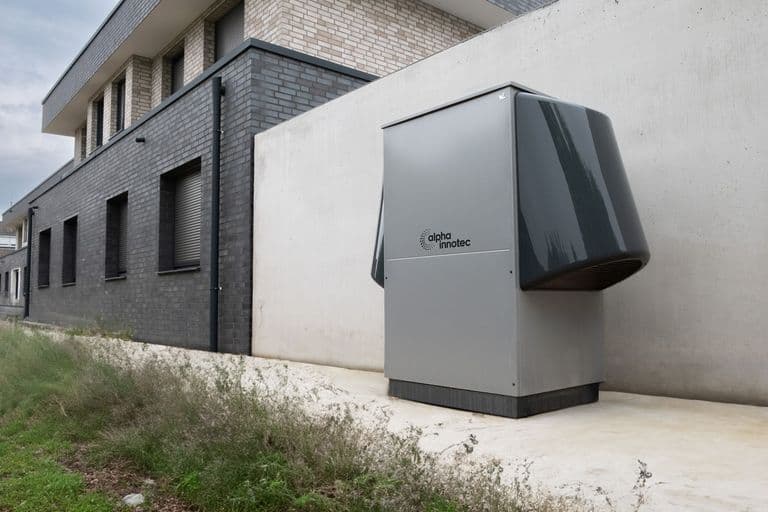
Wekerle Plusz 2027: insulation, heat pump or solar first?
Under the new Wekerle Plusz renovation scheme in Hungary, the non-repayable part of the support requires a primary energy saving of at least 30 percent, verified by comparing the energy performance certificates issued before and after the works, so the package is best planned for the whole building. We outline the usual professional sequence from insulation through the heat pump to solar panels, the still unclear cap on solar, and what the final call for applications has yet to clarify.
Comments
0 commentsBe the first to comment.