
Solar panels and air-to-air heat pumps — often marketed under the umbrella of 'climate heating' — are increasingly installed together by European homeowners looking to reduce both their gas dependency and their electricity bills. The logic is appealing: solar generates free electricity, and a heat pump converts that electricity into heat at high efficiency. But the reality is more nuanced, and the timing mismatch between solar production and heating demand is the central challenge that any serious planning must address.
How the Two Systems Interact
The sweet spot for genuine solar-plus-heat-pump savings lies in the shoulder seasons: spring and autumn. During March, April, October and November, heating demand is moderate, solar output is already meaningful, and a well-insulated home can use daytime solar generation to pre-heat its thermal mass, reducing evening grid consumption. This is where smart controls and programmable thermostats make a real difference — scheduling the heat pump to run when the inverter is producing.
When the Combination Makes Financial Sense
Home battery storage is often suggested as the solution to the seasonal mismatch, but it is important to set realistic expectations. A household battery can shift same-day surplus solar to evening hours — useful if the heat pump runs after sunset. But no residential battery can transfer July sunshine to January heating. Seasonal storage at household scale remains economically unfeasible with current technology. Battery investment makes most sense where time-of-use electricity tariffs create a meaningful price spread between peak and off-peak hours.
Sizing Guidance and Cost Considerations
Grid feed-in regulations differ by country and change over time. In Hungary, as elsewhere in the EU, self-consumption is increasingly favoured over feed-in tariffs, which makes maximising on-site use the priority strategy. Check current regulations with your network operator or a licensed energy consultant before making assumptions about return on investment.
For homeowners ready to compare certified solar quotes and find qualified installers who can assess both systems together, the jonapelem.hu platform offers a practical starting point — ensuring decisions are based on your home's actual parameters rather than generic estimates.
Related articles
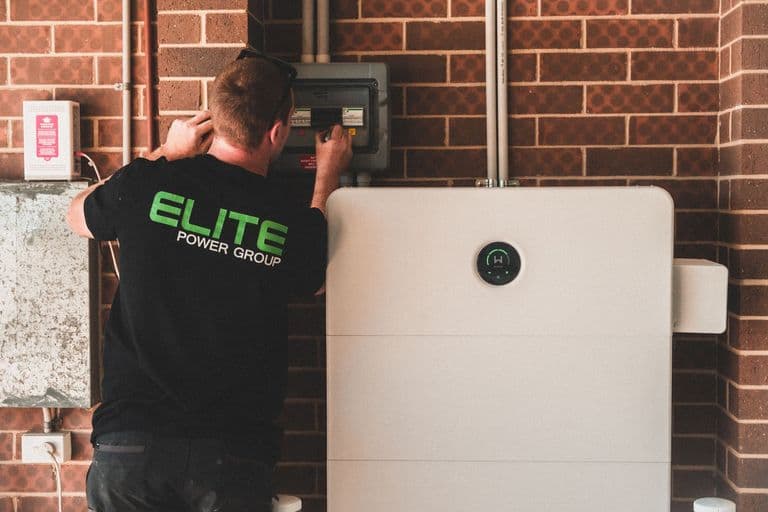
Hungary's OETP: choosing an installer, contract and guarantee
In the verification phase of Hungary's home energy storage subsidy programme, the Otthoni Energiatároló Program (OETP), successful applicants can only proceed with a contractor holding an approved registration and a works contract generated from the application system, and the verification application is due by 16h on 26 February 2027. This explainer sets out what the contractor and bank guarantee guides published by the Nemzeti Energetikai Ügynökség (NEÜ) on 27 October 2026 say: who gives a guarantee to whom for the advance payment, what to check in the quote and the contract, and which red flags to watch for.

Hungary 2027: Wekerle+ loans, renovation aid and home savings
Hungary's Wekerle+ home loan launched on 28 October 2026, and 2027 will bring a subsidised energy renovation loan for family houses and the return of state support for home savings accounts. This explainer sets out what each scheme is for, how a renovation can be financed from grant, loan, own funds and savings, and what to watch out for when borrowing.
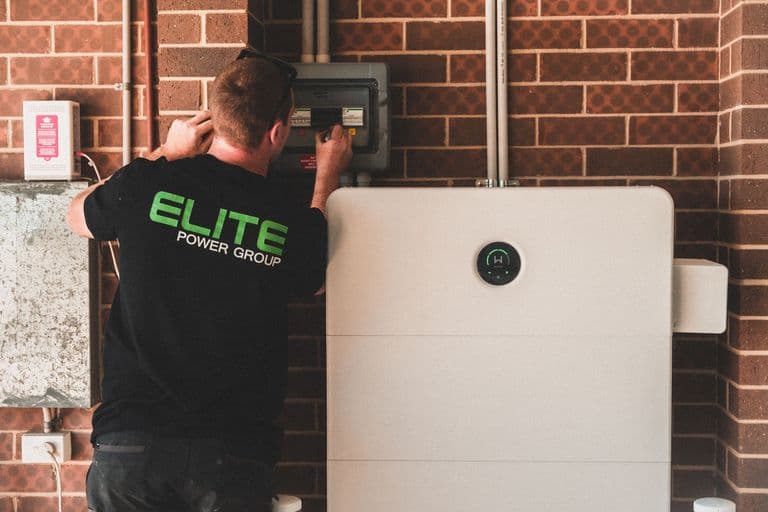
Hungary's OETP: phase 2 on hold, 15,000 more may get support
The second phase of Hungary's Otthoni Energiatároló Program (OETP), a subsidy scheme for home battery storage, was suspended on 16 March 2026, before it had even opened, and the suspension was still in force at the end of October, when this article was written. Of the roughly 132,000 applications in the first phase, about 42,000 won, and in September it was announced that around 15,000 more applicants could receive support. We explain what this means for those waiting for the supplementary round and for those left out, what is known about the announced new calls, and what to watch out for if you are considering a self-financed battery.
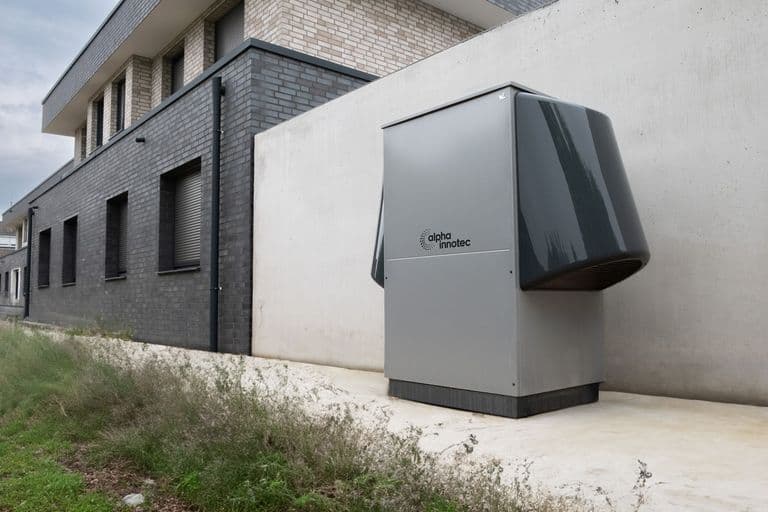
Wekerle Plusz 2027: insulation, heat pump or solar first?
Under the new Wekerle Plusz renovation scheme in Hungary, the non-repayable part of the support requires a primary energy saving of at least 30 percent, verified by comparing the energy performance certificates issued before and after the works, so the package is best planned for the whole building. We outline the usual professional sequence from insulation through the heat pump to solar panels, the still unclear cap on solar, and what the final call for applications has yet to clarify.
Comments
0 commentsBe the first to comment.