
The solar recycling industry faces a fundamental economic paradox: the materials recovered from end-of-life panels are typically worth less than the cost of collecting, transporting, dismantling and processing them. Philip Kwong, a researcher at the University of Adelaide specialising in PV recycling economics, quantifies this in a study published in Waste Management: recycling a large-format module costs $15–45 in the US, while landfilling the same module costs just $1–5. He estimates comparable gaps exist across other major markets.
Why silver and silicon hold the key
The scale of the coming challenge is substantial. The IEA's Photovoltaic Power Systems Programme estimates global end-of-life module volumes could reach 1.7 million tonnes by 2030 under normal loss scenarios — rising to as much as 8 million tonnes if early failures are factored in. By 2050, the figure could hit 60 million tonnes under baseline projections. Companies like First Solar (for its CdTe thin-film modules), Veolia and Redwood Materials are active in recycling, but none has closed the cost gap for crystalline silicon at industrial scale without regulatory backing.
Europe leads, but the rest of the world lags
Kwong's conclusion is direct: without a reliable policy framework — including mandatory take-back programmes, landfill restrictions, material recovery standards and recycled-content requirements for new modules — the economics will not improve in time to handle the 2030s waste surge. 'The challenge is not chemistry or engineering,' he writes. 'It's that today's solar modules contain too little value per unit of mass, and materials are too tightly bonded, for processing to consistently beat disposal.' Profitability is achievable, but only if the full end-of-life value of the PV ecosystem is systematically captured.
Source: Das zentrale Problem beim Photovoltaik-Recycling: Die Kostenlücke zwischen Wiederverwertung und Entsorgung - PV Magazine Deutschland· Based on source, with AI-assisted rewriting.
Related articles
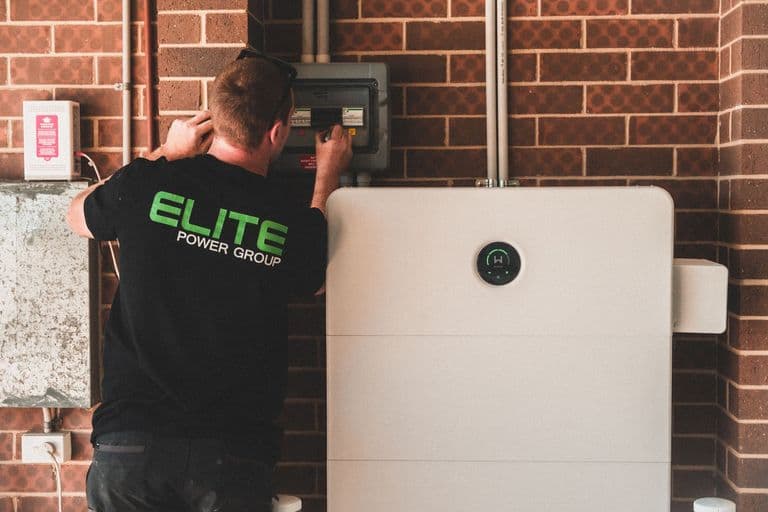
Hungary's OETP: choosing an installer, contract and guarantee
In the verification phase of Hungary's home energy storage subsidy programme, the Otthoni Energiatároló Program (OETP), successful applicants can only proceed with a contractor holding an approved registration and a works contract generated from the application system, and the verification application is due by 16h on 26 February 2027. This explainer sets out what the contractor and bank guarantee guides published by the Nemzeti Energetikai Ügynökség (NEÜ) on 27 October 2026 say: who gives a guarantee to whom for the advance payment, what to check in the quote and the contract, and which red flags to watch for.

Hungary 2027: Wekerle+ loans, renovation aid and home savings
Hungary's Wekerle+ home loan launched on 28 October 2026, and 2027 will bring a subsidised energy renovation loan for family houses and the return of state support for home savings accounts. This explainer sets out what each scheme is for, how a renovation can be financed from grant, loan, own funds and savings, and what to watch out for when borrowing.
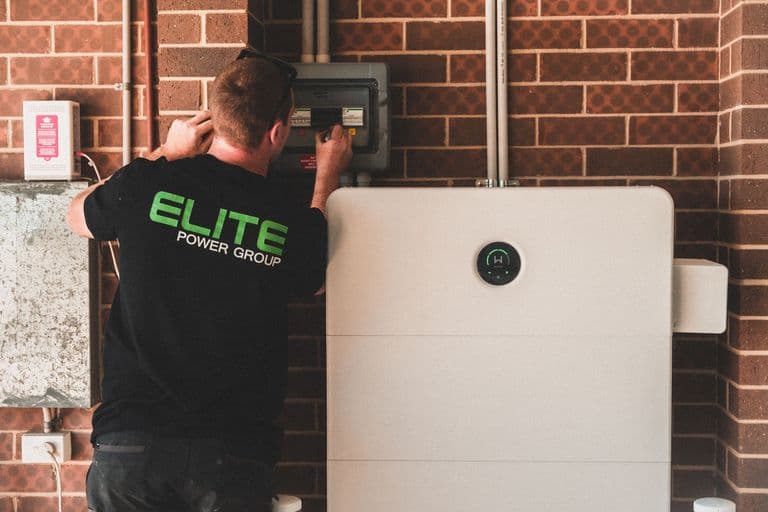
Hungary's OETP: phase 2 on hold, 15,000 more may get support
The second phase of Hungary's Otthoni Energiatároló Program (OETP), a subsidy scheme for home battery storage, was suspended on 16 March 2026, before it had even opened, and the suspension was still in force at the end of October, when this article was written. Of the roughly 132,000 applications in the first phase, about 42,000 won, and in September it was announced that around 15,000 more applicants could receive support. We explain what this means for those waiting for the supplementary round and for those left out, what is known about the announced new calls, and what to watch out for if you are considering a self-financed battery.
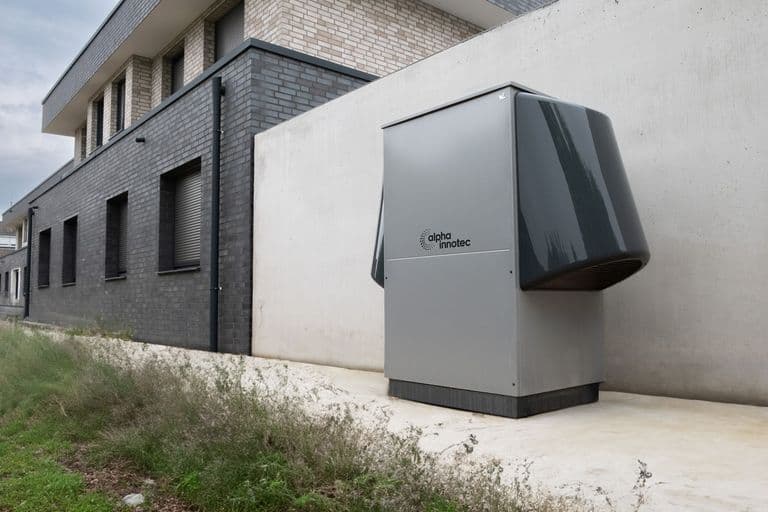
Wekerle Plusz 2027: insulation, heat pump or solar first?
Under the new Wekerle Plusz renovation scheme in Hungary, the non-repayable part of the support requires a primary energy saving of at least 30 percent, verified by comparing the energy performance certificates issued before and after the works, so the package is best planned for the whole building. We outline the usual professional sequence from insulation through the heat pump to solar panels, the still unclear cap on solar, and what the final call for applications has yet to clarify.
Comments
0 commentsBe the first to comment.